Boat Power Management Solutions: Expert Strategies for Optimal Marine Performance
Effective power management is critical for achieving optimal performance in marine environments. Boat power management solutions encompass a range of systems designed to regulate and utilize electrical power efficiently. By understanding the core components of these systems, boat owners can significantly enhance the reliability and efficiency of their vessels. This article will delve into essential components such as battery chargers and distribution panels, outline troubleshooting strategies for common electrical issues, and explore innovative solutions like solar power integration. Moreover, we will emphasize the importance of routine battery maintenance practices to further extend system lifespan and ensure safe marine operations.
What Are the Key Components of Effective Boat Power Management Systems?
Boat power management systems rely on several key components that work together to ensure optimal performance. These components include marine battery chargers, dual battery systems, and power distribution panels, each playing a vital role in maintaining electrical reliability. Understanding how these elements function together can help boat owners maximize their vessel's efficiency while minimizing downtime.
For tailored and effective boat power management solutions, consider consulting with marine electrical services dedicated to enhancing performance through superior power management technologies.
How Do Marine Battery Chargers Improve Boat Electrical Reliability?
Marine battery chargers are instrumental in maintaining the health and performance of onboard batteries. By consistently charging batteries to their required levels, these devices prevent undercharging or overcharging, which can lead to battery failure. Today's advanced chargers also feature smart technology, allowing for optimal charging cycles that enhance battery lifespan and reliability. A reliable marine battery charger, therefore, plays a crucial role in ensuring that the electrical system operates smoothly, providing the necessary power during critical situations.
What Roles Do Dual Battery Systems Play in Enhancing Marine Performance?
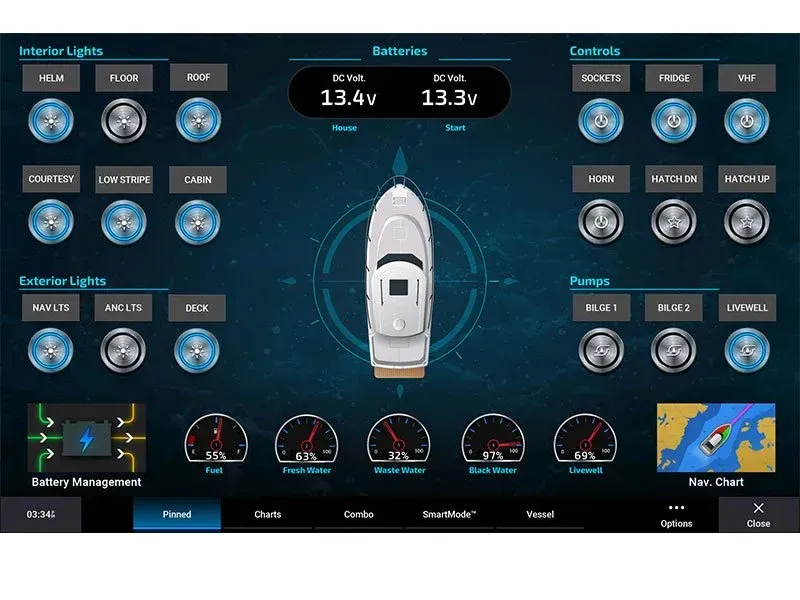
Dual battery systems offer significant advantages for marine vessels by providing a backup power source. These systems cater to both starting and house battery needs, ensuring that essential systems can operate independently of one another. In situations where one battery may fail, the dual system ensures that adequate power remains available for navigation, communication, and safety systems. Moreover, dual battery setups allow for efficient load management and can optimize power distribution among various systems onboard.
How Can Boat Owners Troubleshoot Common Electrical System Issues?
Electrical problems can be daunting for boat owners; however, understanding how to troubleshoot these issues can aid in quick resolution and ensure the reliability of power management systems. Identifying common electrical issues is the first step in maintaining an effective power management system.
Boat owners should be aware of signs indicating electrical problems.
What Are the Typical Signs of Electrical Problems in Boat Power Systems?
Recognizing the signs of electrical problems in boat power systems is essential for prompt troubleshooting. Typical indicators include:
- Dim or flickering lights: This often points to inadequate voltage supply.
- Slow-starting engines: This can suggest battery issues or poor connections.
- Burning smells or corrosion: These can indicate potential shorts or failing electrical components.
Addressing these signs promptly can help prevent further damage to the electrical system and enhance overall reliability.
Which Step-by-Step Troubleshooting Procedures Increase System Reliability?
When conducting troubleshooting, it is advisable to follow structured procedures to diagnose and remedy electrical faults:
- Visual Inspection: Start by examining cables and connectors for any signs of wear or damage.
- Check Battery Voltage: Use a multimeter to measure battery voltage and ensure it's within acceptable ranges.
- Test Individual Components: Isolate and test electrical components such as switches and breakers to identify faulty parts.
Implementing these procedures not only increases reliability but also prepares boat owners to address future electrical issues effectively. Additionally, consider engaging services for complex electrical systems, ensuring professional support when needed.
Why Is Proper Marine Power Distribution Panel Installation Crucial?
The installation of marine power distribution panels is a critical aspect of an effective boat electrical system. These panels manage the distribution of power throughout the vessel, ensuring all systems receive the appropriate voltage and current. An expertly installed power distribution panel enhances the safety and performance of boat systems, preventing power surges that could damage sensitive electronics.
What Features Should You Look for in Marine Power Distribution Panels?
When selecting a marine power distribution panel, several key features should be considered:
- Safety Features: Look for panels equipped with circuit breakers and fuses for overload protection.
- User Interface: An intuitive layout allows for easier navigation of circuits and straightforward troubleshooting.
- Compatibility: Ensure compatibility with your vessel's electrical systems to achieve optimal performance.
These features maximize safety and efficiency, providing critical support for boat operations.
How Does Professional Installation Enhance Safety and Performance?
Engaging professionals for the installation of marine power distribution panels can significantly improve safety. Professionals possess the expertise to correctly wire connections and integrate systems, ensuring that all safety standards are met. Improper installations pose risks, including electrical fires or failures, which could jeopardize not just the vessel but also its occupants.
What Are the Benefits and Considerations of Integrating Solar Power Systems on Boats?
Integrating solar power systems into marine environments offers numerous advantages, particularly in terms of energy efficiency and sustainability. Solar energy can contribute significantly to powering onboard systems, reducing reliance on traditional fuel sources, and minimizing environmental impact.
Furthermore, solar-powered systems can considerably reduce the need for conventional generators, leading to lower fuel consumption and increased energy independence, as highlighted by recent research.
How Does Solar Integration Improve Energy Efficiency and Cost-Effectiveness?
Solar power enhances energy efficiency by harnessing renewable energy, allowing vessels to reduce fuel consumption. Solar energy systems can significantly offset the cost of traditional power sources, providing a cost-effective solution for long-term energy needs. By implementing solar panels and integrating them with existing power management systems, boat owners can enjoy reduced operating costs and greater energy independence.
What Installation and Maintenance Tips Ensure Solar System Reliability?
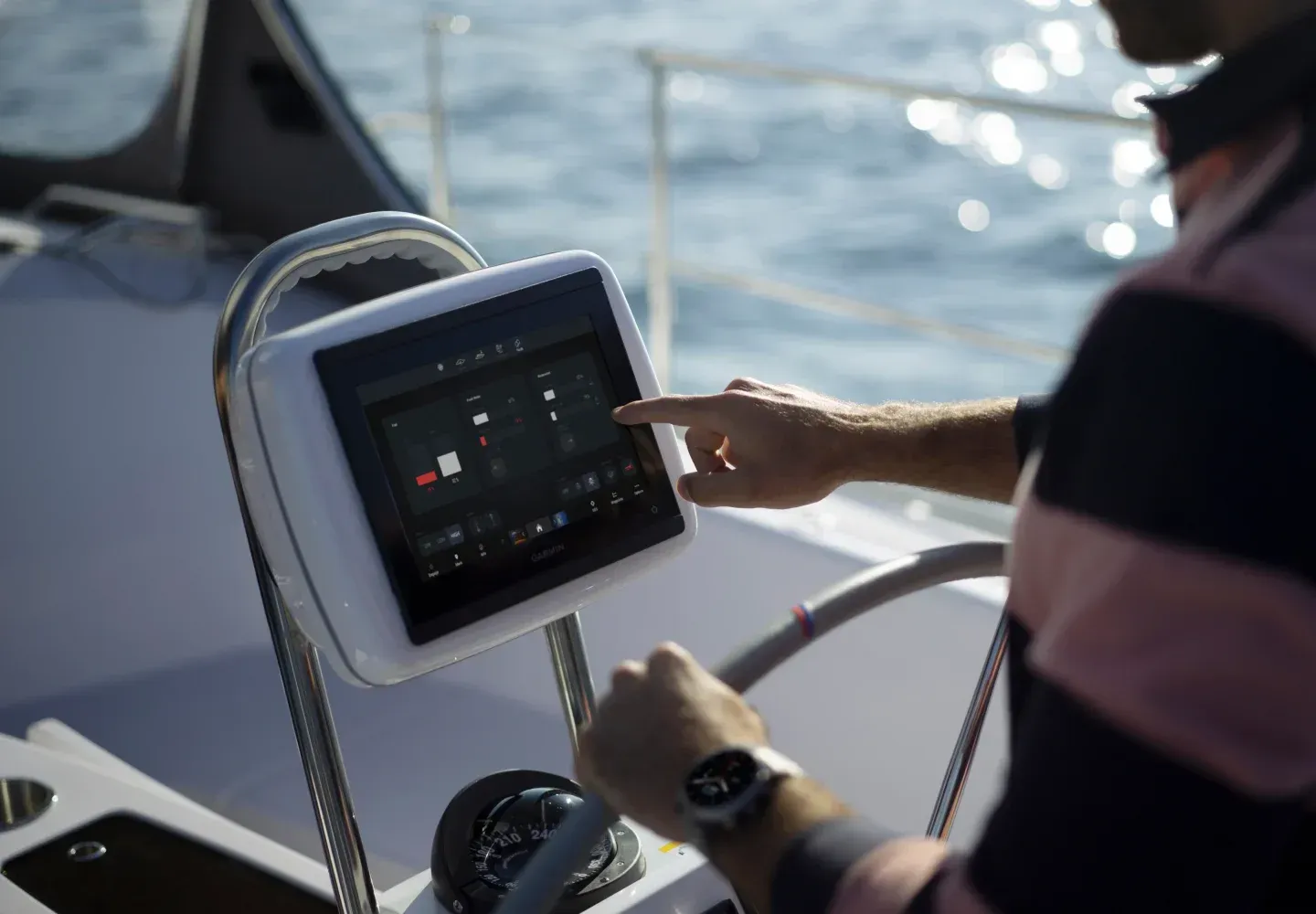
To maintain the reliability of solar systems, boat owners should consider the following installation and maintenance tips:
- Regular Cleaning: Ensure solar panels are free from dirt and debris to maintain efficiency.
- Proper Wiring: Use weather-resistant materials for all wiring to prevent damage from marine conditions.
- Routine Inspections: Regularly check connections and batteries to ensure optimal performance.
By adhering to these guidelines, solar power systems can provide consistent and reliable energy for marine applications.
How Do Routine Marine Battery Maintenance Practices Extend System Lifespan?
Routine maintenance of marine batteries is essential in extending their lifespan and ensuring reliable performance. Regular checks and preventative care can help boat owners avoid unexpected battery failure.
What Are Recommended Maintenance Schedules and Checklists?
Establishing a maintenance schedule is vital for battery health. Recommended tasks include:
- Monthly Inspections: Check for corrosion and clean terminals regularly.
- Water Levels: Ensure electrolyte levels are sufficient in flooded batteries.
- Testing Cycles: Perform load-testing every few months to assess battery performance.
Creating a comprehensive checklist ensures that all aspects of battery health are routinely addressed.
Which Safety Standards and Compliance Measures Should Be Followed?
When performing maintenance, boat owners should adhere to established safety standards to ensure their practices are safe and effective. Various standards provide guidelines for battery safety, including proper handling, storage, and disposal processes. Keeping with these regulations not only enhances safety but also aligns with industry best practices for maintaining marine electrical systems.
| Battery Type | Maintenance Schedule | Replacement Frequency |
|---|---|---|
| AGM | Monthly | Every 4-5 years |
| Flooded | Bi-monthly | Every 2-3 years |
| Gel | Monthly | Every 4-6 years |