Emergency Vehicle Power Upgrade Solutions for Your Fleet
By Troy Agner , Carolina Vehicle & Marine Solutions
Emergency vehicles play a crucial role in ensuring public safety, necessitating reliable and efficient power systems to support their operations. Upgrading these systems is essential not only for optimizing performance but also for enhancing the safety and reliability of emergency response capabilities. This article will explore the various power upgrade solutions available for emergency vehicle fleets, from battery replacements to comprehensive electrical system enhancements. Readers can expect to gain insights into essential options for battery technology, the importance of system upgrades, and the impact these enhancements have on overall fleet efficiency. Additionally, we'll delve into power solutions tailored specifically for marine emergency services, shedding light on compatibility considerations and maintenance practices.
What Are the Essential Emergency Vehicle Battery Replacement Options?
Battery replacements are fundamental to maintaining the optimal performance of emergency vehicles. There are various options available, including high-capacity batteries, which are often necessary for the increased demands of emergency equipment. Upgrading your battery system not only improves vehicle reliability but also extends the lifespan of essential electrical components, positively impacting operational efficiency.
Which Battery Technologies Are Best Suited for Emergency Vehicles?
When selecting batteries for emergency vehicles, two primary technologies emerge as excellent contenders: Absorbent Glass Mat (AGM) and Lithium-ion. AGM batteries are well-known for their durability and reliability, making them ideal for the rigorous demands of emergency operations. They are leak-proof and can deliver high burst currents, which is necessary for starting heavy-duty vehicles. Conversely, Lithium-ion batteries stand out due to their lightweight and higher energy density. They offer longer service life and improved charging efficiency. Evaluating the specific requirements of your fleet will guide the appropriate selection of either AGM or Lithium-ion technology, considering factors such as cost, performance, and durability.
How Do Vehicle Power System Upgrades Enhance Emergency Response Capabilities?
Upgrading the power systems in emergency vehicles significantly enhances their operational efficiency and safety features. A well-upgraded power system can provide a more stable electrical supply for critical equipment like emergency lighting systems, communications devices, and medical equipment. These enhancements ensure that vehicles can operate effectively during crucial response situations, thus optimizing emergency response times and reliability.
How Does Professional Installation Ensure System Reliability?
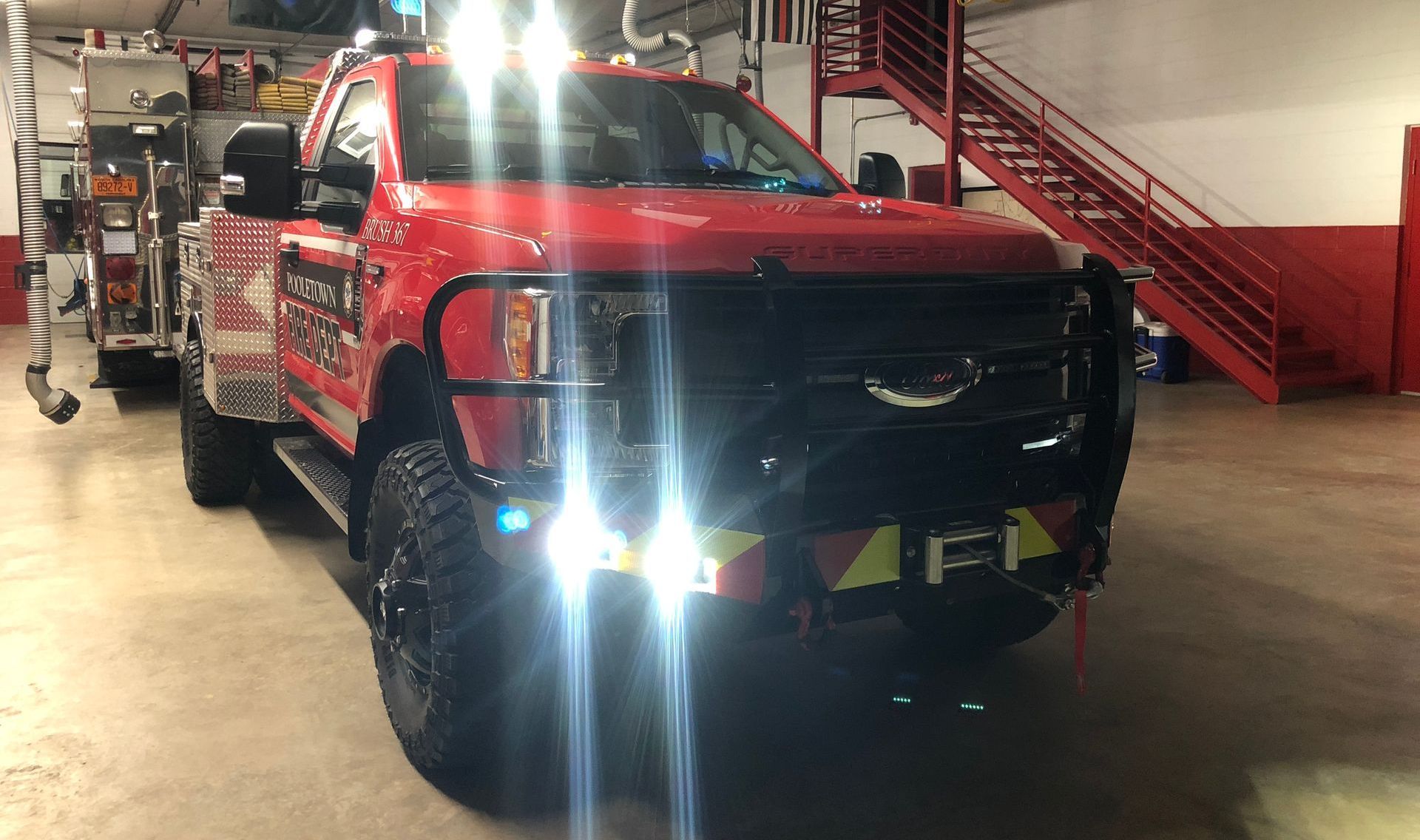
The reliability of upgraded power systems often hinges on the professionalism of the installation process. Adhering to industry standards during installation guarantees that the power distribution solutions are correctly integrated into the vehicle's electrical architecture. Common practices include thorough assessment by certified technicians and proper testing of all components before they go into operation. Ensuring that these technical standards are met can prevent future electrical issues and improve overall system reliability.
What Fleet Electrical System Enhancements Maximize Operational Efficiency?
Fleet electrical system enhancements are critical for boosting overall operational efficiency. Upgrades can include improved wiring systems, advanced power management solutions, and enhanced battery systems that work in tandem to optimize energy distribution throughout the vehicle. By integrating high-quality electrical components, fleets can expect higher performance from their equipment, reducing downtime and extending the life of essential systems.
What Maintenance Practices Prolong Emergency Vehicle Electrical System Life?
Regular maintenance practices play a significant role in prolonging the life of emergency vehicle electrical systems. Key practices include:
- Routine Inspections : Conducting periodic checks on battery systems and electrical components can help identify potential issues before they escalate.
- Quality Component Use : Ensuring that all replacement parts meet or exceed manufacturer specifications is crucial for maintaining system reliability.
- Environmental Considerations : Understanding how climate and operational environments can affect battery performance is vital. Protective measures such as cooling systems in high-heat environments can enhance battery life.
These practices ensure that emergency vehicles remain operational and equipped to handle the demands of emergency response.
What Marine Battery Power Solutions Support Emergency Marine Fleets?
Similar to land-based emergency vehicles, marine fleets require reliable power systems to ensure safety and efficiency in critical scenarios. Marine battery solutions often focus on overcoming unique challenges such as water exposure and the need for greater power reserves to support onboard equipment.
What Are the Compatibility Considerations for Marine Battery Replacements?
When replacing batteries in marine emergency vehicles, several compatibility considerations must be addressed:
- Sizing and Capacity Issues : Battery size must align with existing battery compartments while ensuring adequate capacity to meet operational demands.
- Voltage Requirements : Understanding the voltage specifications of marine systems is crucial for avoiding electrical malfunctions.
- Regulatory Standards : Marine emergency services must comply with specific regulatory and safety standards when upgrading electrical systems.
By ensuring compatibility, marine fleets can maintain operational readiness and reliability during crucial missions.
How Much Do Emergency Vehicle Power Upgrades Cost and Provide ROI?
Investing in emergency vehicle power upgrades can yield substantial returns in terms of performance and reliability. The costs associated with these upgrades vary based on the specific technologies and enhancements chosen. Still, many fleets find that the initial investment pays off through reduced maintenance costs and improved operational efficiency.
How Do Power Solutions Improve Response Times and Fleet Readiness?
Enhanced power solutions can significantly improve response times and overall fleet readiness. By increasing the capacity and reliability of electrical systems, emergency vehicles can deploy essential equipment faster than ever. For example, efficient lighting systems can activate immediately during night-time operations or in low-visibility conditions. Furthermore, optimized energy management systems can ensure that all vital equipment remains operational and ready for use.
| Component Type | Solution | Benefit | Impact Level |
| Battery Systems | High-Capacity AGM | Long-lasting and reliable performance | High |
| Electrical Components | Advanced Wiring Systems | Enhanced energy distribution | Medium |
| Power Management | Smart Distribution Solutions | Optimized equipment operation | High |
The above comparisons illustrate how diverse solutions can enhance the efficiency and reliability of emergency vehicles, emphasizing the importance of thoughtful upgrades.
What Are Common Questions About Emergency Vehicle Power Upgrade Solutions?
There are several frequent inquiries about implementing power upgrade solutions in emergency vehicles, underscoring the importance of informed decision-making.
Can Upgraded Power Systems Integrate with Existing Fleet Technology?
Yes, upgraded power systems can often be designed to integrate seamlessly with existing fleet technology. It is essential to conduct thorough assessments to identify potential integration challenges, ensuring that upgrades complement and enhance current systems without necessitating complete replacements. By carefully assessing the compatibility of new systems, fleets can enjoy advanced technology without the burden of total system overhaul, maximizing efficiency and reducing costs.
Contact Carolina Vehicle & Marine Solutions
If you have questions or need assistance upgrading your emergency vehicle power systems, our experts at Carolina Vehicle & Marine Solutions are ready to help. Contact us today at (704) 267-7259 to discuss your fleet's power upgrade needs and ensure your vehicles are equipped for reliable and efficient emergency response.