Marine Battery Maintenance Tips for Optimal Performance and Extended Lifespan
Maintaining marine batteries is crucial for ensuring optimal performance and extending their lifespan. Many boat owners face challenges when it comes to proper battery management, which can directly impact their vessel's functionality and safety. This guide will provide you with essential tips on how to care for various marine batteries effectively. We'll cover types of marine batteries, charging best practices, corrosion prevention, and management systems that help optimize performance. By understanding these aspects, you can significantly enhance your boating experience and reduce the likelihood of battery-related issues.
What Are the Types of Marine Batteries and How Do They Affect Maintenance?
Understanding the different types of marine batteries is essential for effective maintenance. Marine batteries generally fall into several categories, including lead acid, AGM (Absorbent Glass Mat), and lithium batteries. Each type comes with unique characteristics, maintenance requirements, and cost implications that boat owners need to consider.
How Do Lead Acid, AGM, and Lithium Marine Batteries Differ?
Lead acid batteries are the traditional choice for many boaters. They are relatively inexpensive and widely available. AGM batteries are a more advanced type that utilizes a glass mat to absorb acid, resulting in lower maintenance requirements and improved performance in colder conditions. Lithium batteries, on the other hand, offer superior longevity and charging efficiency, although they come at a higher initial cost. Each of these types has different maintenance needs, making it crucial to choose the right one based on your specific boating needs.
Which Battery Type Is Best for Your Boat's Power Management System?
When choosing a battery type for your boat's power management system, several factors play a role. You should consider the energy demands of your vessel, available space, and weight restrictions. Lead acid batteries may suit smaller crafts with lower energy needs, while lithium batteries are ideal for larger vessels that require more power. Understanding these factors will help you select a battery that not only meets your boat's requirements but also optimizes performance.
What Are the Best Practices for Charging and Discharging Marine Batteries?
Properly charging and discharging marine batteries is vital for maintaining their health and performance. Following best practices ensures that your batteries last longer and operate efficiently.
How Should You Properly Charge Deep Cycle and Starting Batteries?
Deep cycle batteries, commonly used for longer power needs, require a slower, more methodical charging process to avoid damage. Starting batteries, typical for ignition systems, can take a faster charge due to their design. A common mistake boaters make is overcharging or undercharging their batteries, which can lead to reduced lifespan and performance issues.
What Are the Recommended Battery Chargers and Charging Schedules?
Investing in a high-quality battery charger is essential. Look for chargers that offer specific features for marine batteries, such as bulk charging, absorption, and float modes. Following a regular charging schedule that aligns with your battery's usage patterns can help maintain optimal battery health. Regular checks, typically every few weeks during the boating season, can catch potential issues early and help you make informed decisions.
How Can You Prevent Corrosion and Perform Physical Maintenance on Marine Batteries?
Corrosion can severely impact marine battery health and efficiency. Knowing how to diagnose and prevent corrosion will enhance the longevity of your battery.
What Causes Marine Battery Corrosion and How Is It Diagnosed?
Corrosion occurs primarily due to the chemical reactions between the battery terminals and the environment, often accelerated by moisture and saltwater exposure. Signs of corrosion include white powder or film developing around the terminals. Regular inspections and immediate cleaning upon noticing these signs can prevent further damage.
Which Cleaning Techniques and Terminal Protections Best Prevent Corrosion?
To effectively clean battery terminals, use a mixture of baking soda and water to neutralize the acid. Carefully scrub the terminals and connections with a wire brush, and rinse with clean water. Applying a protective paste or spray after cleaning can help prevent future corrosion, further extending battery life.
How Do Power Management Systems Optimize Marine Battery Performance?
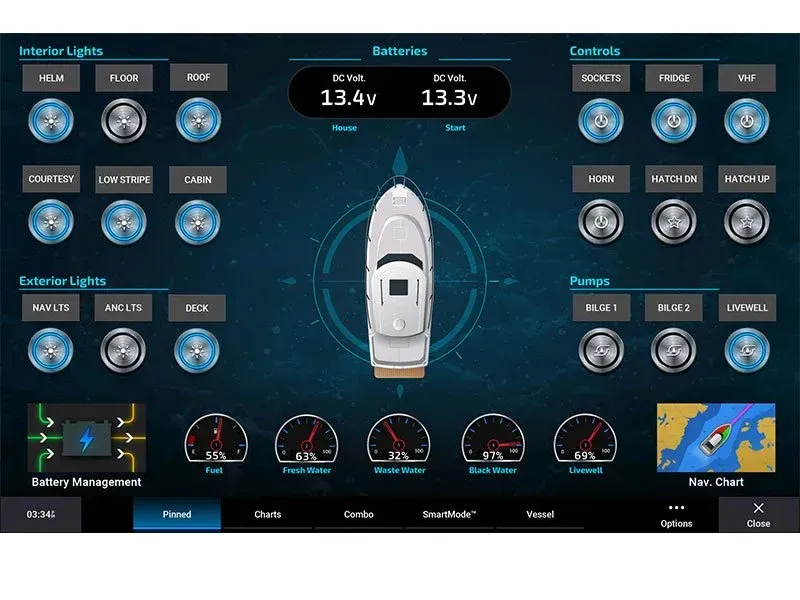
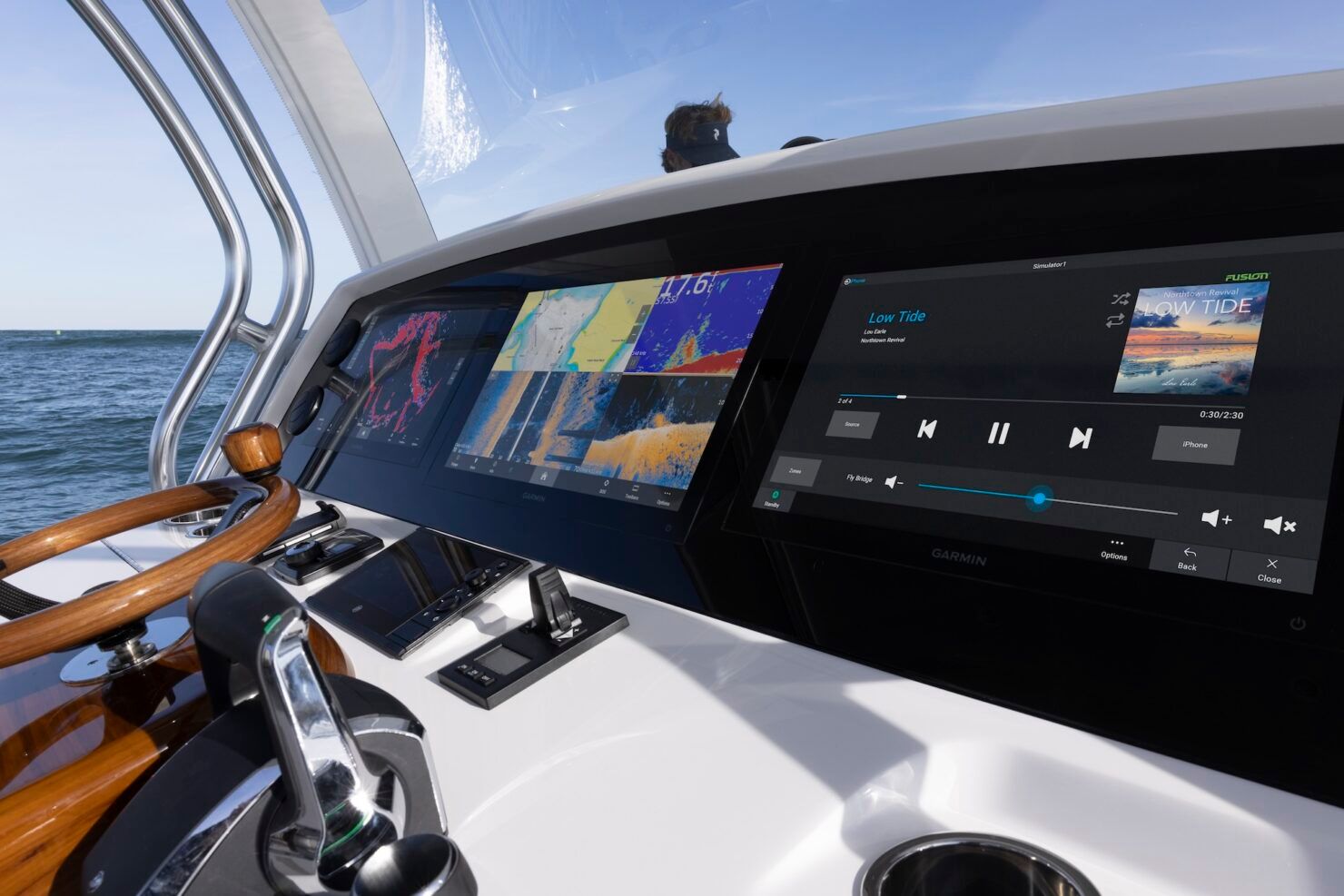
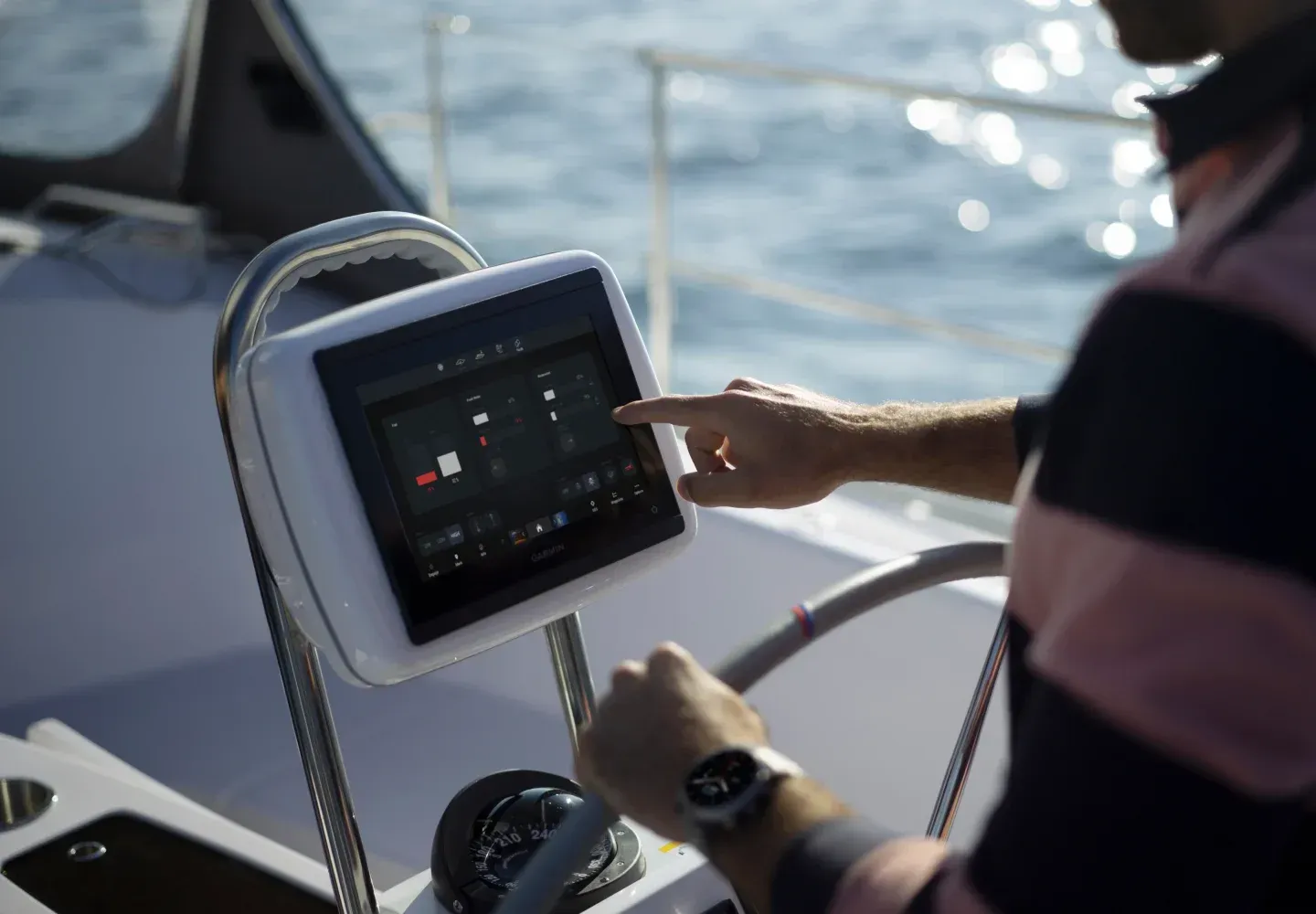
Utilizing a power management system can significantly enhance the performance of marine batteries. These systems provide real-time monitoring and management of battery usage, helping to prevent issues before they arise.
What Are Key Features of Modern Boat Power Management Systems?
Modern power management systems come equipped with various features designed to optimize battery usage, such as onboard diagnostics, real-time alerts for power usage, and detailed reporting on battery health. These systems enable boat owners to track performance and manage capacity more effectively, leading to better maintenance outcomes.
What Are the Seasonal Storage and Winterization Tips for Marine Batteries?
Properly storing and winterizing your batteries can prevent damage and extend their lifespan. Techniques for seasonal storage vary based on battery type and local climate conditions.
How Should Batteries Be Stored During Off-Season Months?
For off-season storage, batteries should be kept in a cool, dry area, away from direct sunlight. Regular maintenance checks during the off-season, including testing charge levels and cleaning terminals, can help ensure your batteries are ready for spring launching.
What Winterization Practices Ensure Battery Health and Readiness?
Winterization involves fully charging the battery before storage to prevent freezing and damage. Additionally, disconnecting them and placing them in a protective environment can maintain their integrity. Regular checks during winter months will help in identifying issues early.
When and How Should You Replace Your Marine Battery for Optimal Boat Electrical System Maintenance?
Timely battery replacement is critical for ensuring your boat's electrical systems remain functional. Recognizing when it's time to replace your marine battery can save you from unexpected failures at sea.
What Are the Signs of a Failing Marine Battery?
Signs of a failing marine battery include dimming lights, slow engine cranking, and unusual corrosion levels. Performing routine tests can help identify these issues before they affect your boating experience.
What Are the Steps to Safely Replace and Dispose of Marine Batteries?
When replacing a marine battery, follow safety protocols, including wearing gloves and goggles. Disconnect the old battery carefully, and install the new one with attention to terminal connection and securing the battery in place. Ensure proper disposal methods are followed in line with local regulations to mitigate environmental impact.