GPS Tracking Systems for Boats: Key Features and Costs Explained
By Troy Agner , Carolina Vehicle & Marine Solutions
GPS tracking systems for boats have become an essential tool for boat owners seeking security and navigation assistance. These systems not only enhance safety while on the water but also offer real-time tracking and monitoring capabilities. In this article, we will explore the significant features of these marine GPS systems, understand the associated costs, and delve into how they work. Many boat owners may feel unequipped to protect their vessels against potential theft or navigational errors. However, by understanding the various options available, including the potential installation services offered by Carolina Vehicle and Marine Solutions, boaters can make informed decisions. The sections that follow will cover key features, associated costs, and insights into marine GPS navigation systems.
Key Features
When it comes to GPS tracking systems for boats, several key features enhance functionality and usability. These systems provide real-time positioning, enabling boaters to track their vessels at any moment effortlessly. Additionally, advanced route planning capabilities allow users to create efficient travel paths, reducing the time spent navigating. Safety enhancements, including emergency alerts and geofencing options, further bolster a boats security. Finally, user-friendly interfaces make these systems accessible even for those new to technology, ensuring that all boaters can utilize GPS systems effectively.
Associated Costs
Understanding the costs associated with GPS tracking systems for boats is crucial for boat owners. The total investment typically comprises the price of the device, installation labor, and recurring service options.
Carolina Vehicle and Marine Solutions is dedicated to providing boat owners with accurate estimates tailored to their needs, including the costs for installation services. In moving forward, we will consider how these elements influence the overall budget for adopting a marine GPS system.
What Are Marine GPS Navigation Systems and How Do They Work?
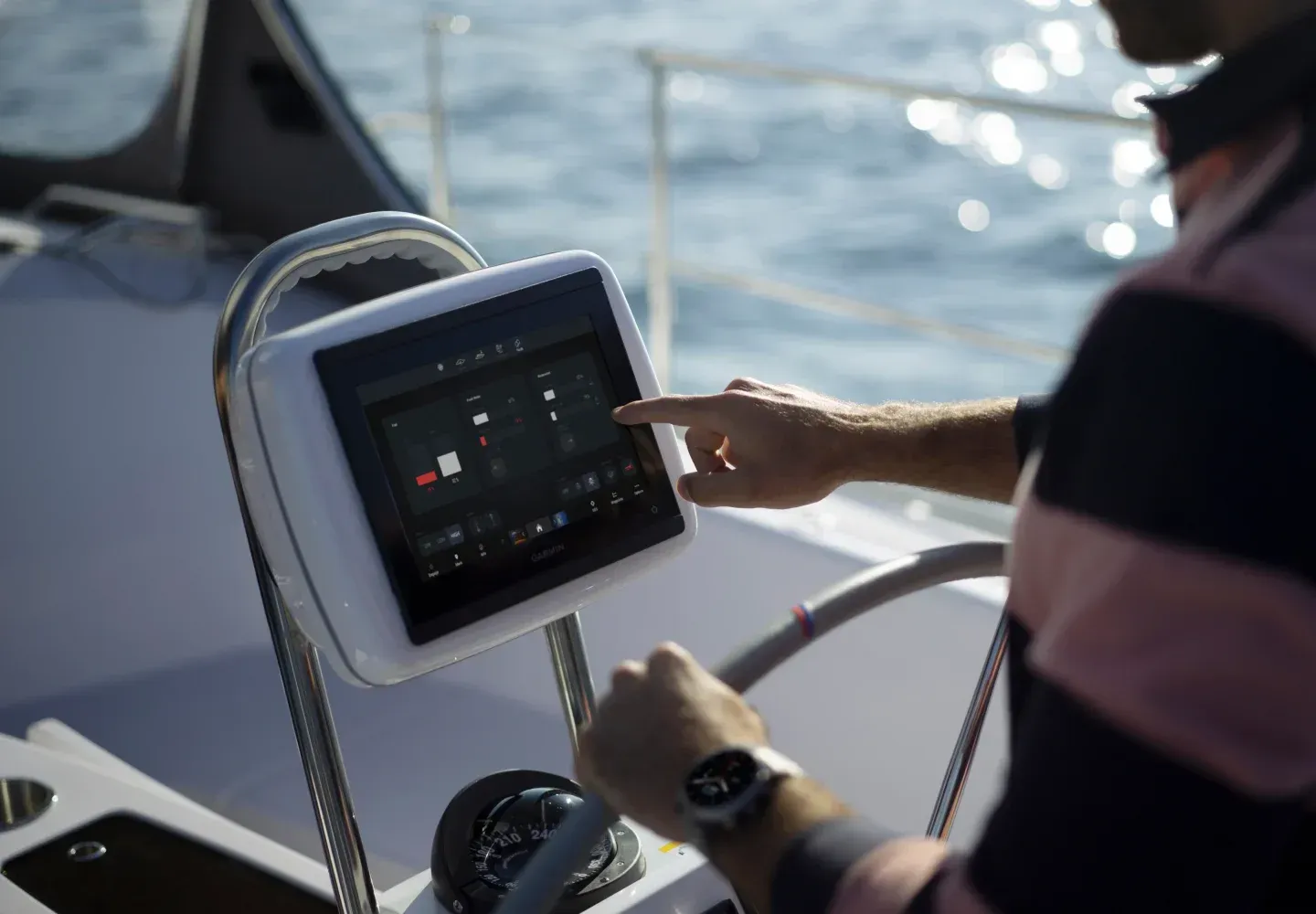
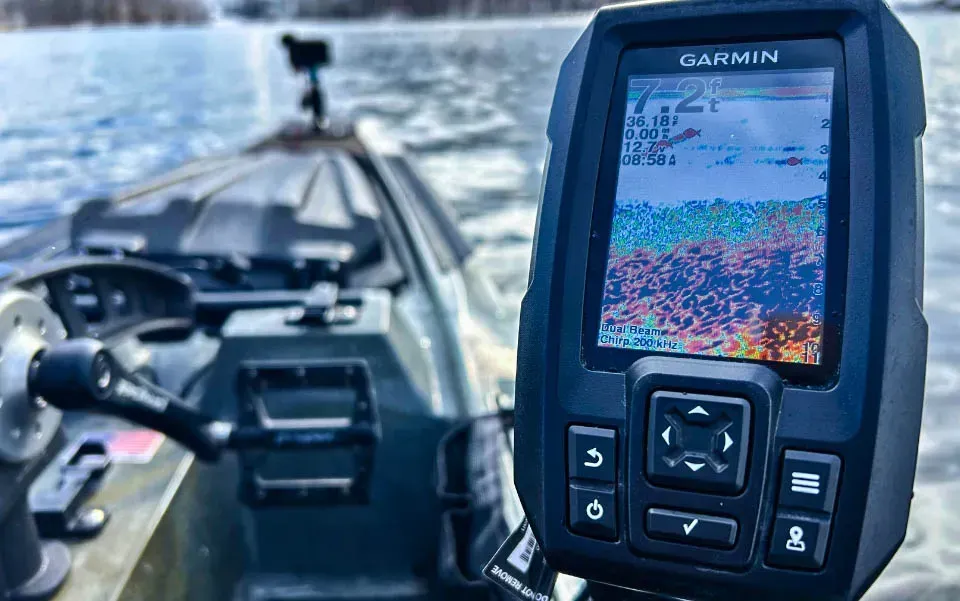
Marine GPS navigation systems are sophisticated devices that leverage satellite technology to provide accurate positioning information for boats. By receiving signals from multiple satellites, these systems determine the vessel's precise location, allowing for detailed route planning and real-time adjustments during travel.
Functionality
The functionality of marine GPS navigation systems centers around signal reception, where the GPS receiver picks up signals from satellites orbiting the Earth. Once the signals are received, the system processes this data to calculate the boat's exact location. This process occurs seamlessly, allowing for instant updates that enhance navigational confidence on the water.
Components
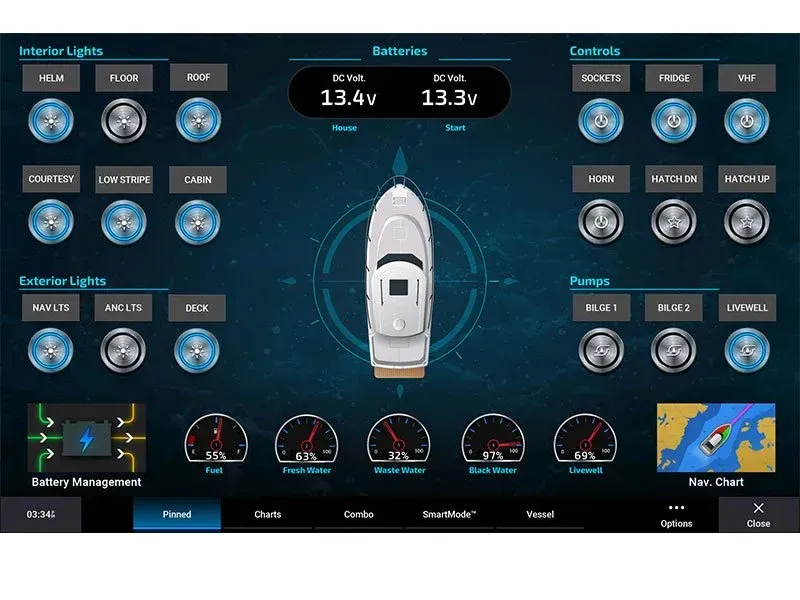
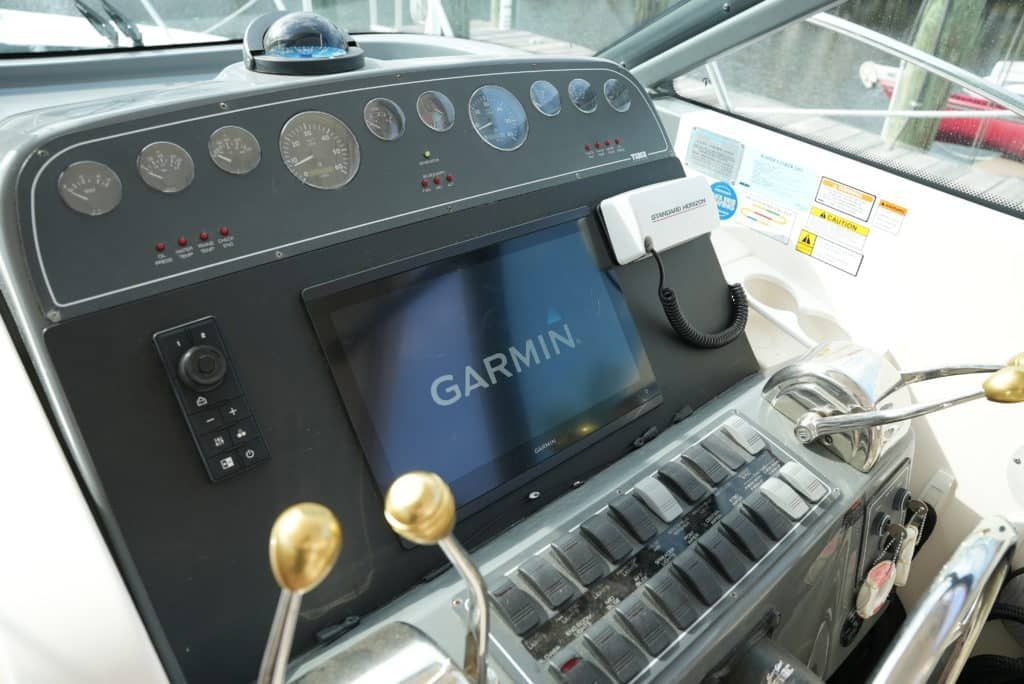
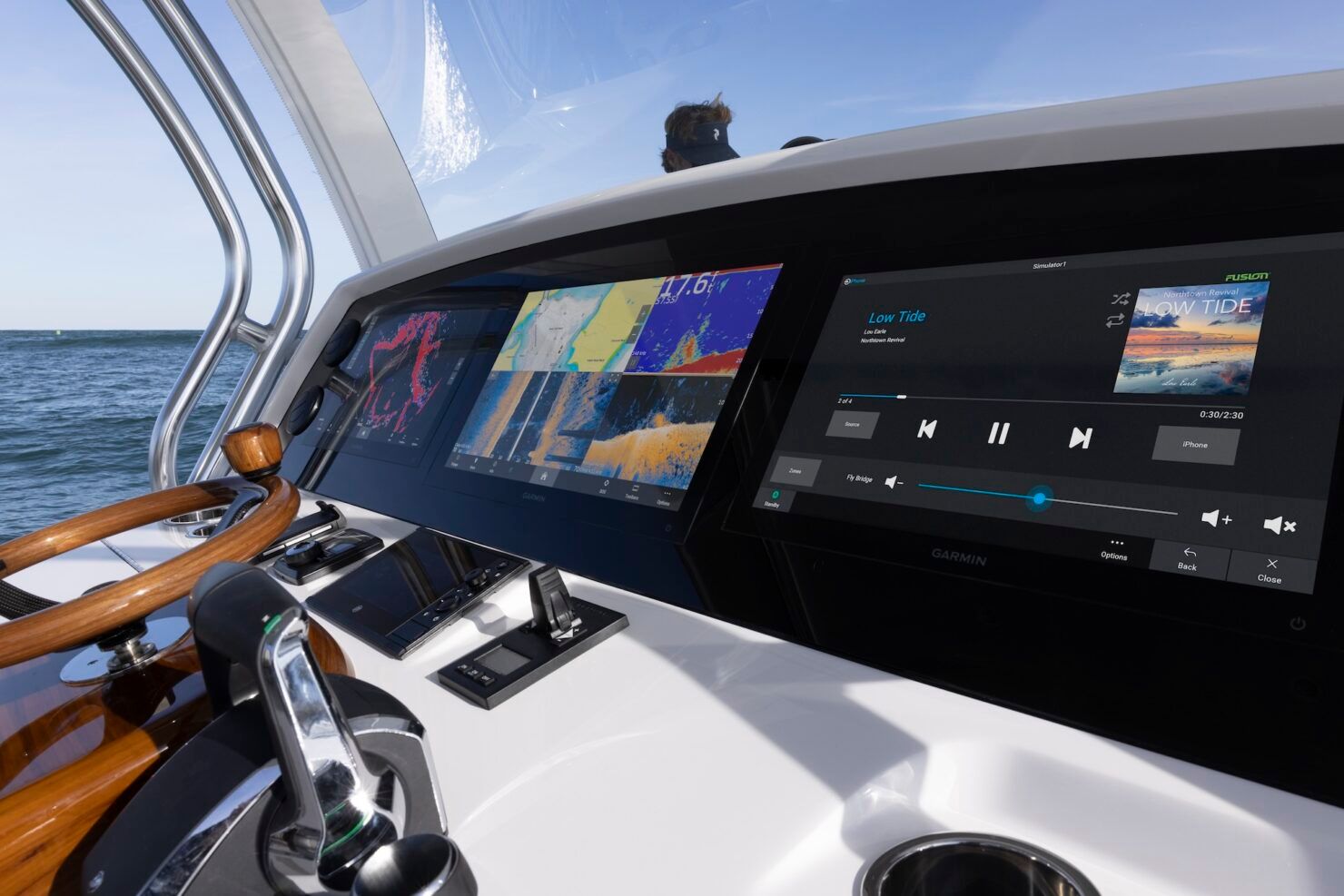
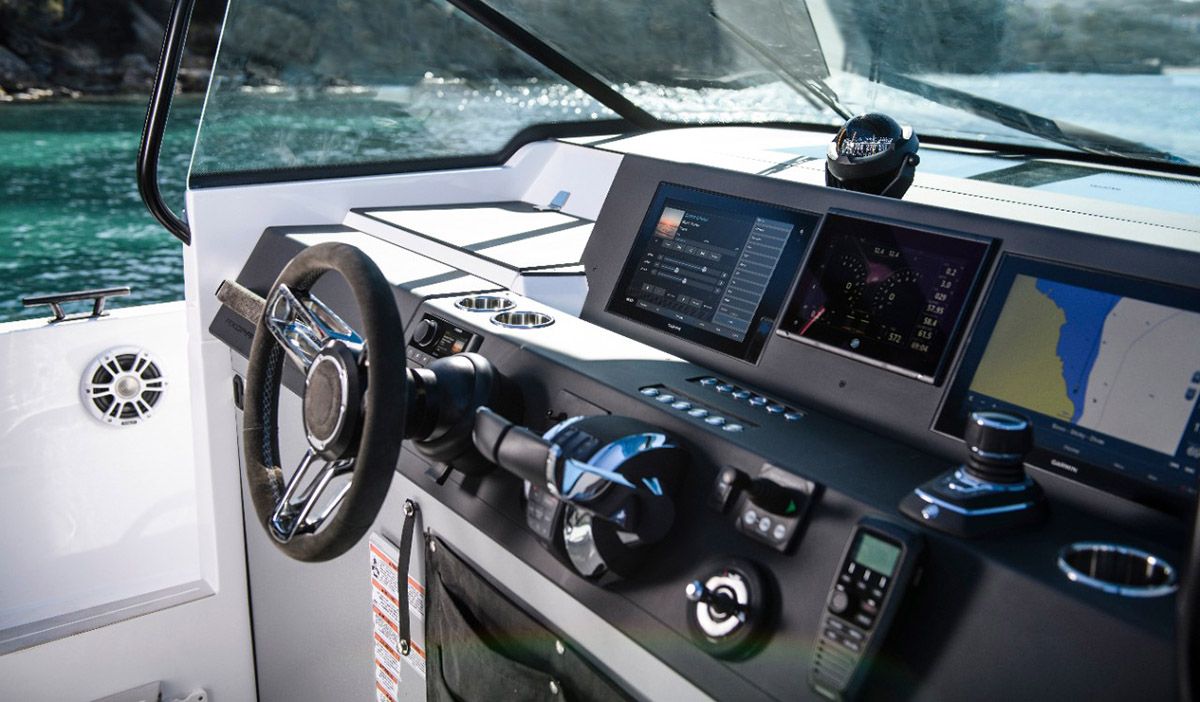
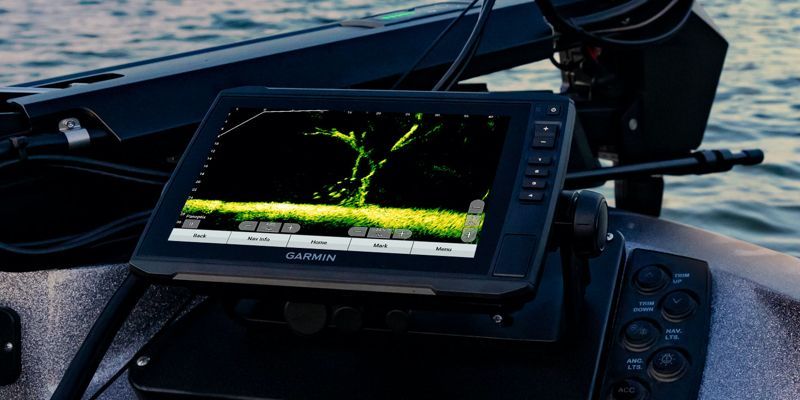
Key components of a marine GPS navigation system include the GPS receiver, display unit, and supportive software. The GPS receiver captures satellite signals, while the display unit provides users with geographical information and navigational tools. Additionally, dedicated software supports advanced functionalities, such as route planning and waypoint management.
Assistance in Navigation
GPS navigation systems offer unparalleled assistance in navigation, significantly reducing the risks associated with boating. By providing accurate positional data, these systems enhance safety and usability for boaters. Users can leverage the integrated support features such as route planning, which aids in plotting safe travel paths, ensuring a smoother experience on the water.
Understanding Boat Tracking Technology and Location Services
Boat tracking technology employs a blend of GPS and various communications technologies, allowing boaters to monitor their vessels remotely. These systems facilitate functionalities that go beyond traditional navigational aids, making them a vital component of modern boating.
How GPS Systems Work
GPS systems rely on a network of satellites that transmit signals to receivers on Earth. When a GPS device sends a signal to multiple satellites, it can triangulate its position accurately. This capability ensures that boaters have access to essential navigation support at all times, enhancing safety while on the water.
Key Benefits of GPS Systems
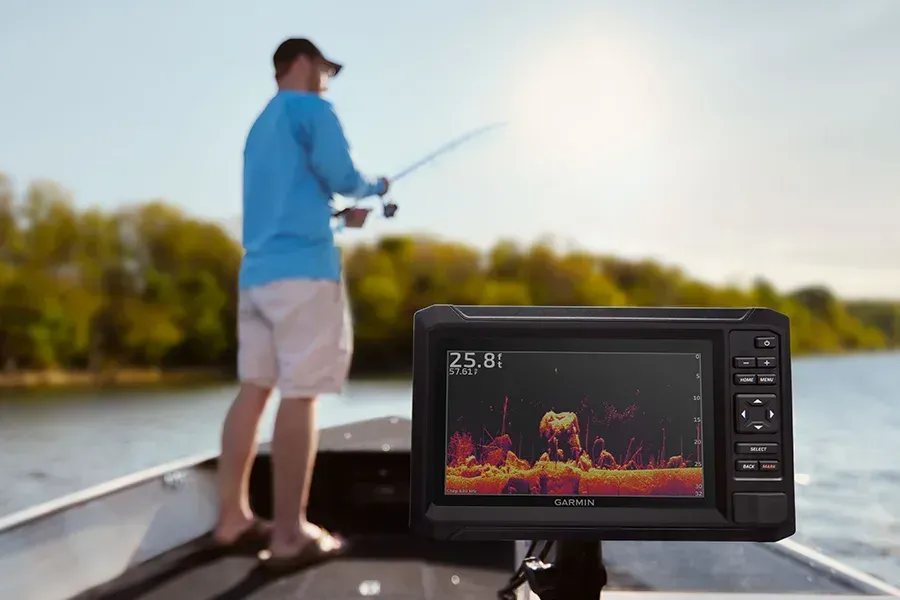
The adoption of GPS systems in marine contexts offers several key benefits, including enhanced safety, improved navigational accuracy, and real-time monitoring. These advantages translate into peace of mind for boat owners, knowing their vessels are protected through constant surveillance and data-driven insights.
Technologies Used in Marine GPS Navigation
Marine GPS navigation systems utilize a combination of satellite-based and terrestrial technologies to provide accurate positioning and tracking. Features such as wireless communications and satellite integration enhance the capabilities and reliability of these systems. Boat owners can benefit immensely from understanding these technologies, as they directly impact the performance of their navigation systems.
Applications in Marine Navigation
GPS systems serve vital roles in various marine applications, enhancing the boating experience. From simple route tracking to complex navigation under poor visibility conditions, these systems offer solutions that cater to diverse sailing scenarios. Recognizing their applicability across multiple situations empowers boaters to utilize them effectively.
How Wireless and Satellite-Enabled GPS Trackers Enhance Marine Safety
Wireless and satellite-enabled GPS trackers play a crucial role in enhancing marine safety by providing continuous monitoring capabilities. These devices not only track vessel locations but also facilitate real-time updates that can be crucial in emergencies.
Which Key Features Determine the Performance of Waterproof GPS Trackers for Marine Use?
When assessing waterproof GPS trackers for marine applications, several critical features must be considered to ensure performance and reliability on the water.
What Are the Importance of Waterproof Rating and Battery Life in Marine GPS Devices?
A strong waterproof rating is essential for navigating challenging marine environments, protecting devices from water damage. Additionally, battery life is a crucial factor; robust options can endure extended trips without needing frequent recharging, ensuring constant functionality during sailing excursions.
How Does Real-Time Tracking and Connectivity Support Navigation and Theft Prevention?
Real-time tracking capabilities allow boat owners to monitor their vessels continuously, increasing the chances of deterring theft. Additionally, seamless connectivity ensures that boaters receive immediate alerts in case of unauthorized movement, reinforcing security measures.
How Much Do GPS Tracking Systems for Boats Cost and What Are the Pricing Models?
The costs associated with GPS tracking systems can vary significantly depending on features and installation needs.
What Are the Typical Device Prices, Installation Fees, and Subscription Plans?
| Device Type | Installation Fee | Subscription Plans |
| Marine GPS System | $100-$200 | $20-$50/month |
| Portable GPS Tracker | $100-$200 | $15-$30/month |
| Fixed Marine GPS Unit | $200-$400 | $25-$45/month |
This table provides a clear view of the expected investment for boat owners looking to integrate GPS solutions into their vessels.
How Do Portable GPS Trackers Compare Cost-Wise to Fixed Marine GPS Units?
Portable GPS trackers generally offer a more economical solution for casual boaters, often having lower initial costs and subscription rates. In contrast, fixed marine GPS units tend to provide advanced features and durability that may justify their higher price tags, especially for frequent mariners.
What Installation and Customization Services Does Carolina Vehicle and Marine Solutions Offer?
Carolina Vehicle and Marine Solutions specializes in providing tailored installation and customization services for marine GPS systems. Their expertise ensures enhanced performance and reliability for boaters.
How Does Professional Installation Improve GPS System Performance and Reliability?
Professional installations by experienced technicians can significantly improve the overall functionality of GPS tracking systems. They ensure optimal placement of devices, minimizing signal interference and enhancing the overall accuracy of placement data and navigation features.
What Free Estimates and Service Support Are Available for Marine GPS Devices?
The company offers free estimates for installation services, allowing boaters to plan their budgets effectively. Additionally, ongoing service support is available to help users maintain their devices and troubleshoot any potential issues, enhancing user satisfaction and device longevity.
How Do GPS Boat Theft Prevention Systems Work to Protect Your Vessel?
GPS boat theft prevention systems utilize advanced technology to secure vessels against unauthorized access.
What Features Enable Early Theft Detection and Real-Time Alerts?
Key features include motion sensors and geofencing capabilities that trigger immediate alerts if a vessel is moved unexpectedly. This proactive approach ensures boat owners can respond quickly to potential threats, significantly reducing the chances of successful theft.
How Does Emergency Location Beacon Integration Support Marine Security?
Emergency location beacons complement GPS systems by providing additional layers of security. These devices can notify authorities and rescue teams of a boat's location during emergencies, facilitating quick response times and enhancing overall marine safety.
What Should Customers Consider When Choosing Between Portable and Fixed Marine GPS Trackers?
Choosing between portable and fixed marine GPS trackers comes down to analyzing specific needs and boating practices.
What Are the Advantages and Limitations of Portable GPS Devices for Boats?
Portable GPS devices offer flexibility and ease of use, making them ideal for diverse boating activities. However, they may lack some advanced features available in fixed solutions, such as enhanced connectivity and durability against harsh marine environments.
When Is a Fixed GPS Installation More Beneficial for Marine Navigation?
Fixed GPS installations are typically preferred by frequent boaters and those who require robust navigation capabilities. They provide a permanent solution with advanced functionalities tailored to extensive marine activities, ensuring reliability and enhanced safety for regular users.
Contact Carolina Vehicle & Marine Solutions
For expert advice, installation, and support with your boat's GPS tracking system, contact Carolina Vehicle & Marine Solutions today. Our team is ready to help you enhance your marine safety and navigation experience.
Call Us at (704) 267-7259