Marine Electronics Installation in North Carolina: Why the Installation Determines the Performance
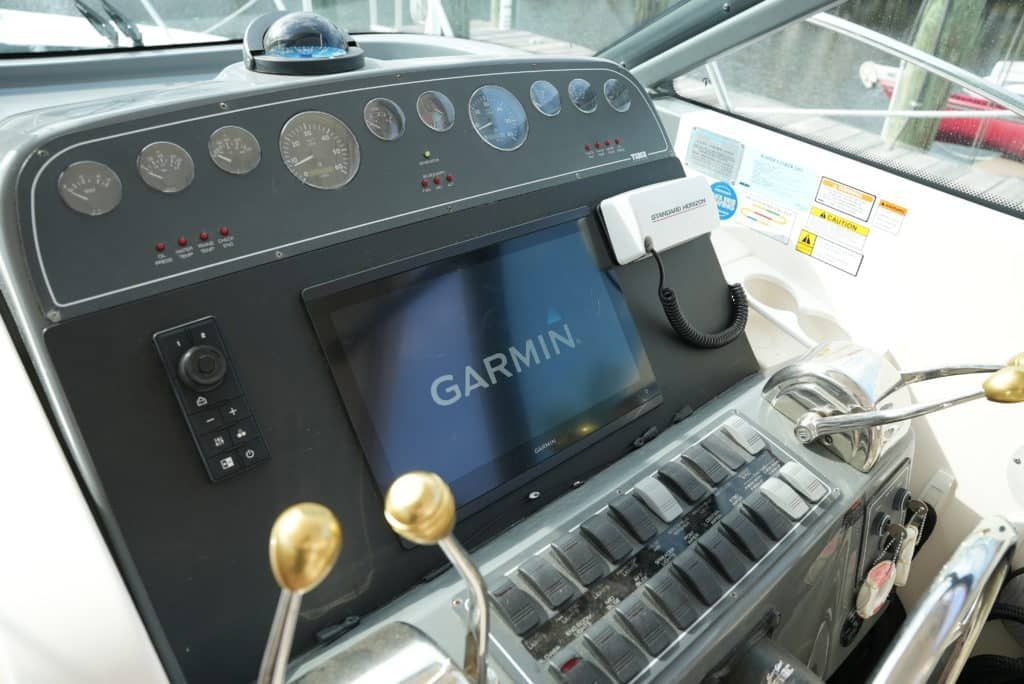
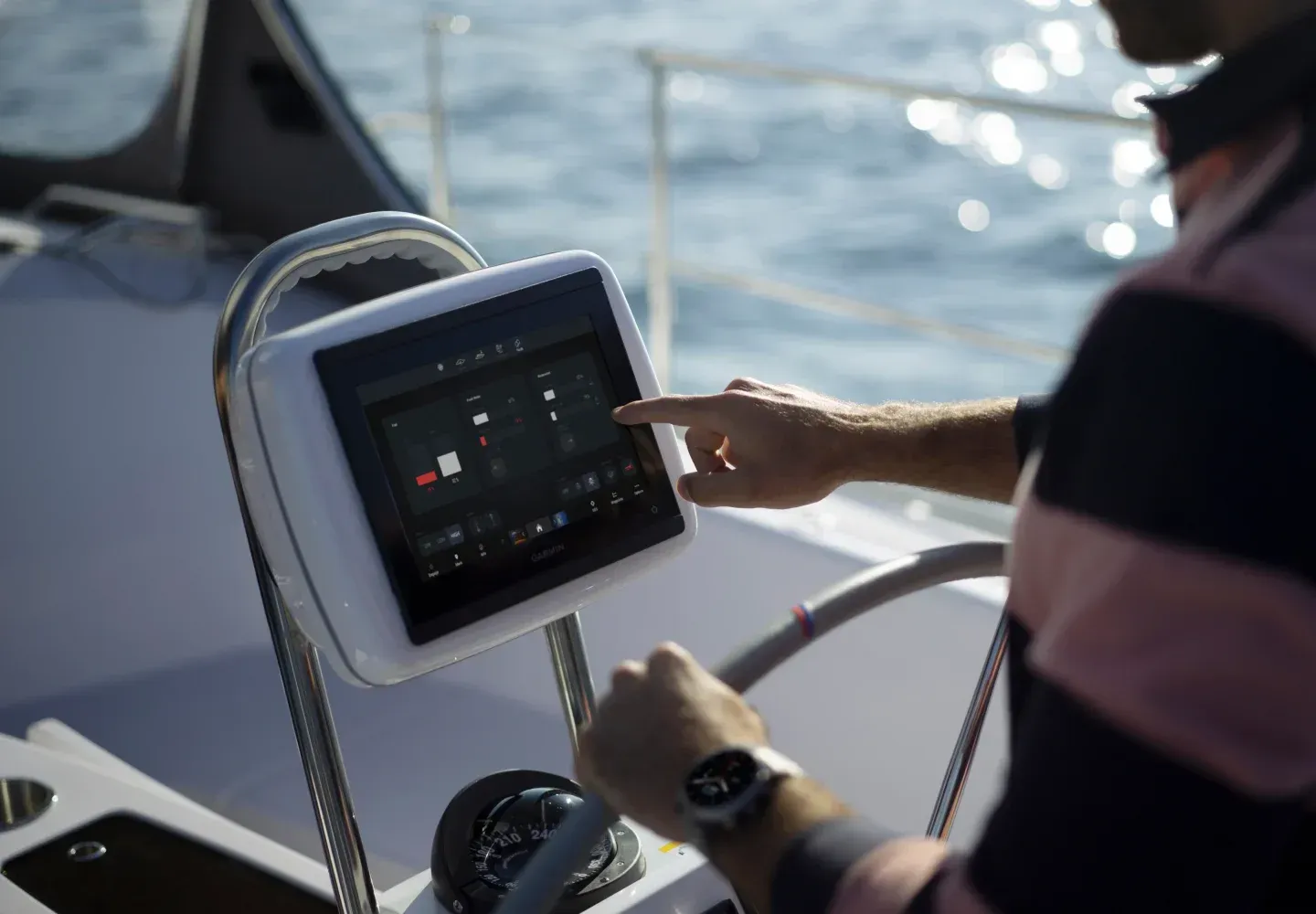
The gap between a chartplotter sitting in the box and a chartplotter that performs on the water is wider than most boat owners expect. Transducer placement determines whether your sonar shows structure or interference noise. NMEA 2000 network wiring determines whether your GPS feeds your autopilot or operates in isolation. Cable routing determines whether your installation holds up in three years or develops intermittent failures every wet season.
CVMS installs and integrates marine electronics for boats across North Carolina — Garmin, Simrad, Lowrance, Humminbird, Raymarine, and Furuno — from their shop in Salisbury. Here is what the installation actually involves, what CVMS does differently, and why it matters for the fishing and boating you actually do on these lakes.
What CVMS Does in a Marine Electronics Installation That Box Stores Do Not
When you buy a unit from a box store or online retailer, you receive the unit. That is all. Here is what a CVMS installation adds:
Transducer Placement Assessment
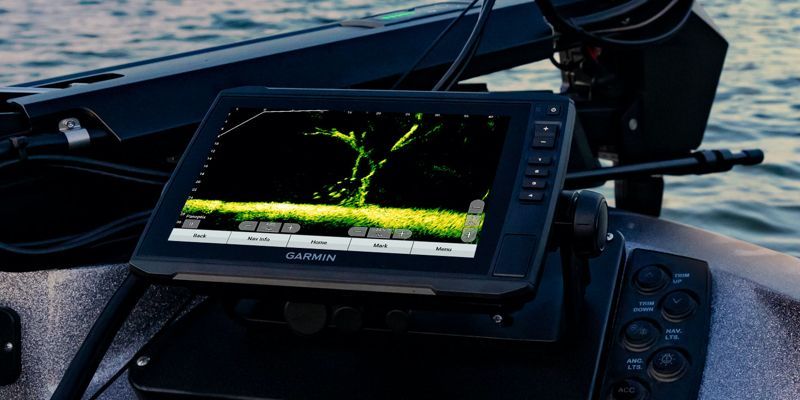
On bass boats, transom-mount transducers must be positioned to avoid prop wash interference at trolling speeds — a few inches of placement error produces noise artifacts in the sonar return that no sensitivity adjustment corrects. On pontoons, the tube geometry at speed creates aeration patterns that make certain mounting positions unusable. For live sonar transducers — Garmin LiveScope, Humminbird MEGA Live, Lowrance Active Target 2 — the mounting angle relative to the bottom determines the entire cone presentation.
CVMS evaluates hull geometry and run characteristics before anything is mounted. The transducer is positioned for actual performance, not for installation convenience.
NMEA 2000 Network Architecture
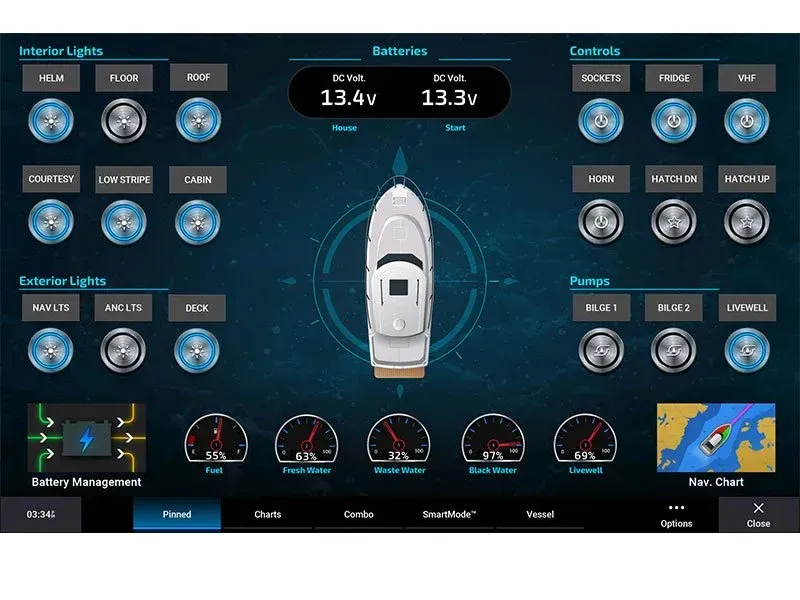
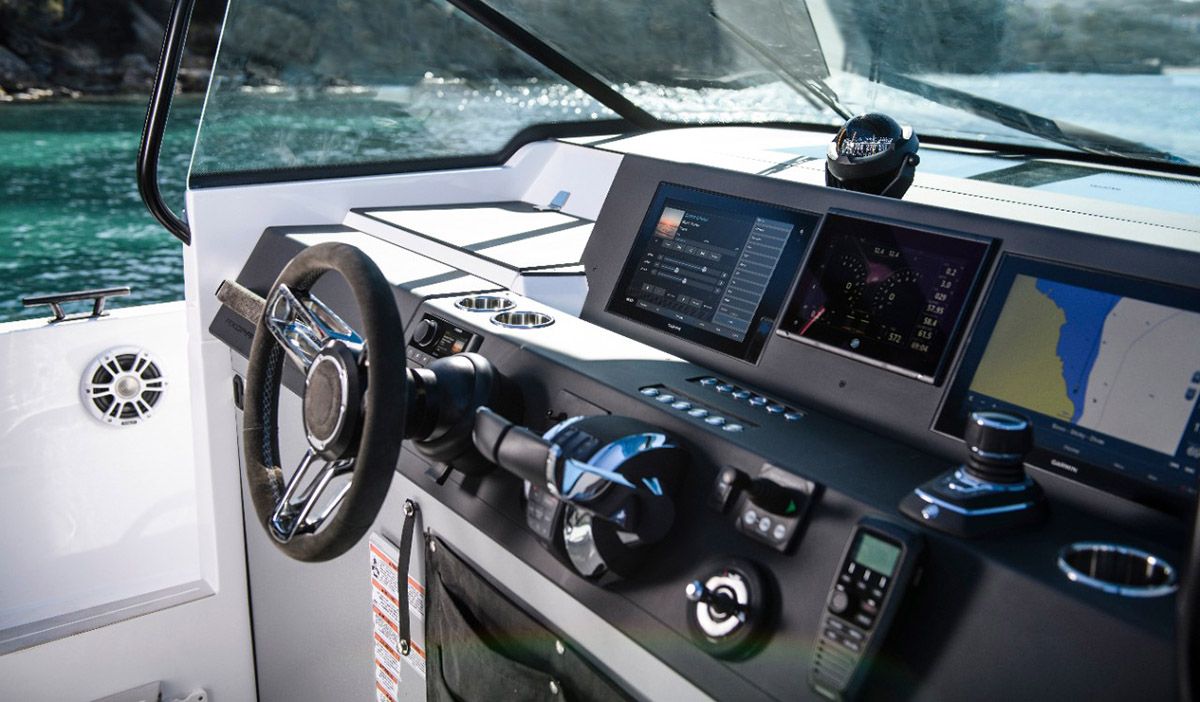
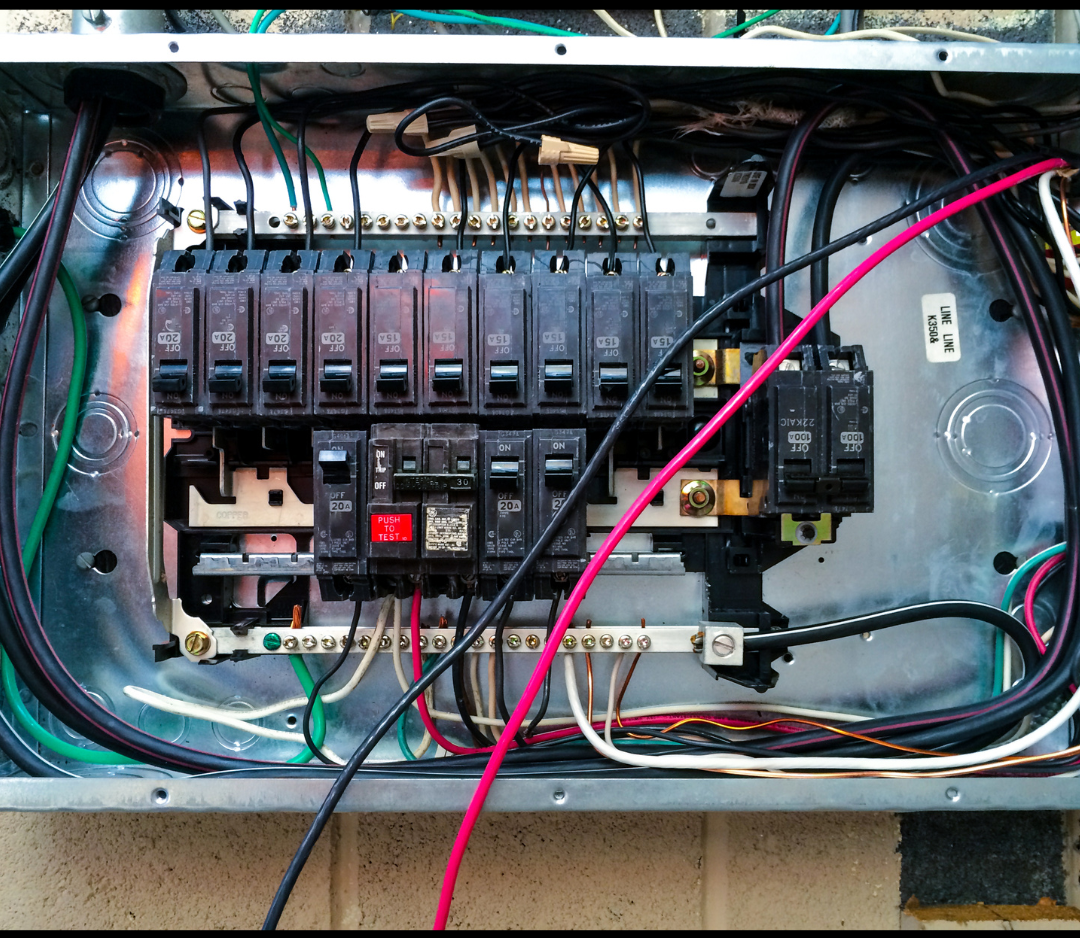
NMEA 2000 is the communication protocol that lets modern marine electronics share data — GPS position to the chartplotter, engine data from the outboard, heading from the compass, depth from the transducer. A properly terminated NMEA 2000 backbone with correct power drops is the foundation of any integrated helm. A backbone with missing terminators, address conflicts, or undersized wire gauge degrades performance across every connected device.
CVMS wires the backbone from scratch on new builds and integrates new devices into existing backbones on upgrades. Network configuration — device addressing, data bridging, display source assignment — is completed at installation. You leave with a functioning integrated system, not a unit that requires troubleshooting menus before it works.
Clean, Protected Cable Routing
A cable run through a livwell without conduit, or parallel to a bilge pump power lead without shielding, will fail on a schedule determined by how often you use the boat in the rain. CVMS routes cables through appropriate conduit, separates signal cables from power cables where possible, secures runs at correct intervals, and waterproofs every hull penetration. The installation looks correct and stays correct.
Sea Trial and Configuration Completion
CVMS verifies all installed systems on the water before the job is complete — sonar returns at speed, GPS satellite lock, autopilot steering response, network device communication. What does not work at the sea trial is corrected before the boat leaves. The owner receives a configured, tested, functional system.
CVMS installs and integrates marine electronics for NC boats. Call (704) 267-7259 or visit cvmsnc.com/marine to discuss your vessel and get a complete installation quote.
CVMS-Compatible Marine ElectronicS
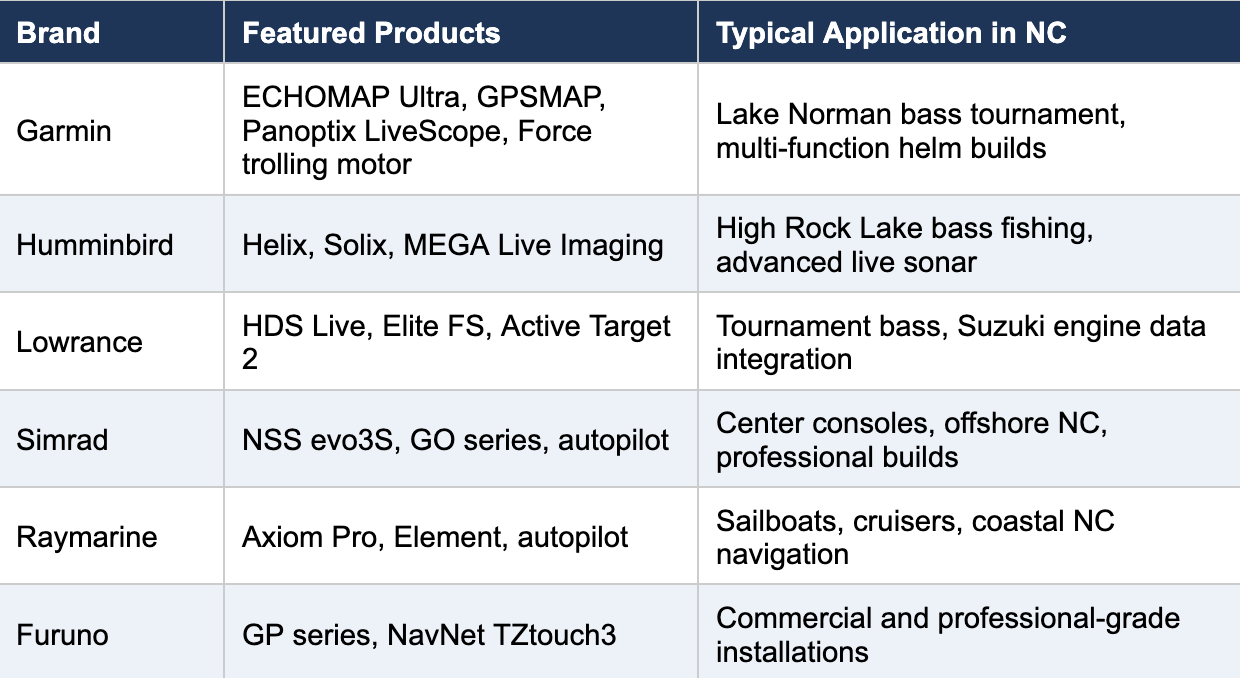
Marine Electronics for North Carolina's Primary Boating Lakes
High Rock Lake
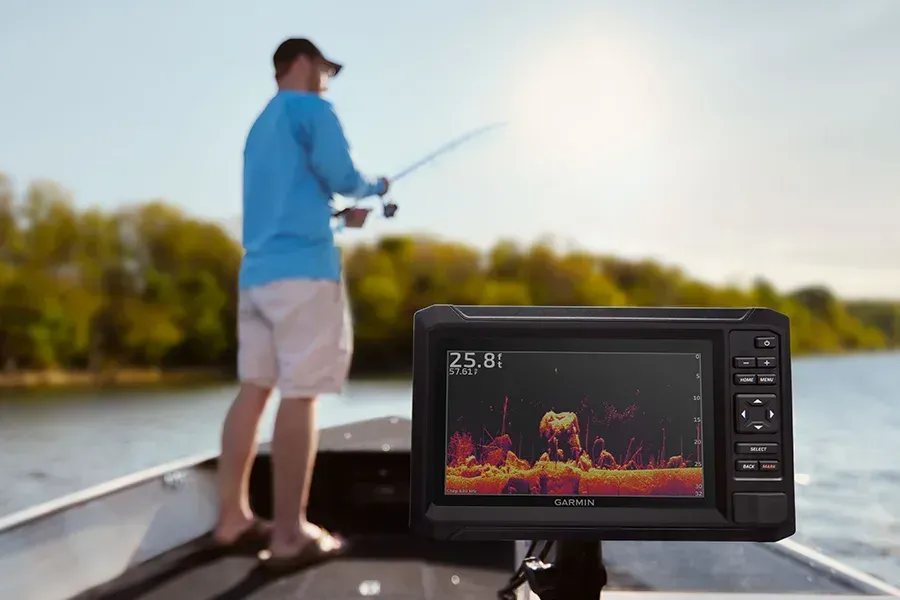
High Rock is a 15,000-acre reservoir on the Yadkin River approximately 10 miles from the CVMS shop — the lake most of CVMS's fishing boat customers actually fish. It is a complex shallow reservoir: significant standing timber, rocky structure at the creek channel edges, and bottom composition that varies sharply between rock, sand, and clay within short distances. Sonar frequency selection matters here — 2D CHIRP at appropriate frequencies resolves bottom hardness differences that reveal bass location on a structural lake. CVMS configures frequency and sensitivity settings specifically for High Rock's bottom composition rather than leaving the owner on factory defaults that were optimized for a different environment.
Live sonar — MEGA Live and LiveScope — has changed how High Rock bass anglers fish the docks and timber. CVMS has installed more live sonar systems on High Rock-focused boats than any other single product category in the last three years. Trolling motor integration, correct transducer arm mounting, and network configuration are all part of what makes these installations perform at the level the technology is capable of.
Lake Norman
Lake Norman is the largest man-made lake in North Carolina — 520 miles of shoreline, depths to 125 feet, and a bass tournament circuit that supports both weekend anglers and professional-level fishing. The electronics requirements differ meaningfully from High Rock: structure scanning across a wider depth range, navigation in significantly denser boat traffic, and chartplotter accuracy for marking tournament-relevant structure in water where 50 other boats are fishing the same points.
Garmin's Panoptix LiveScope with the perspective mode transducer is the dominant live sonar choice on Lake Norman tournament boats. CVMS installs LiveScope systems with the correct mount configuration for the specific bass boat hull and trolling motor combination — the installation details that determine whether LiveScope shows crisp forward-scan images or a distorted return from vibration or improper transducer angle.
Coastal and Offshore North Carolina
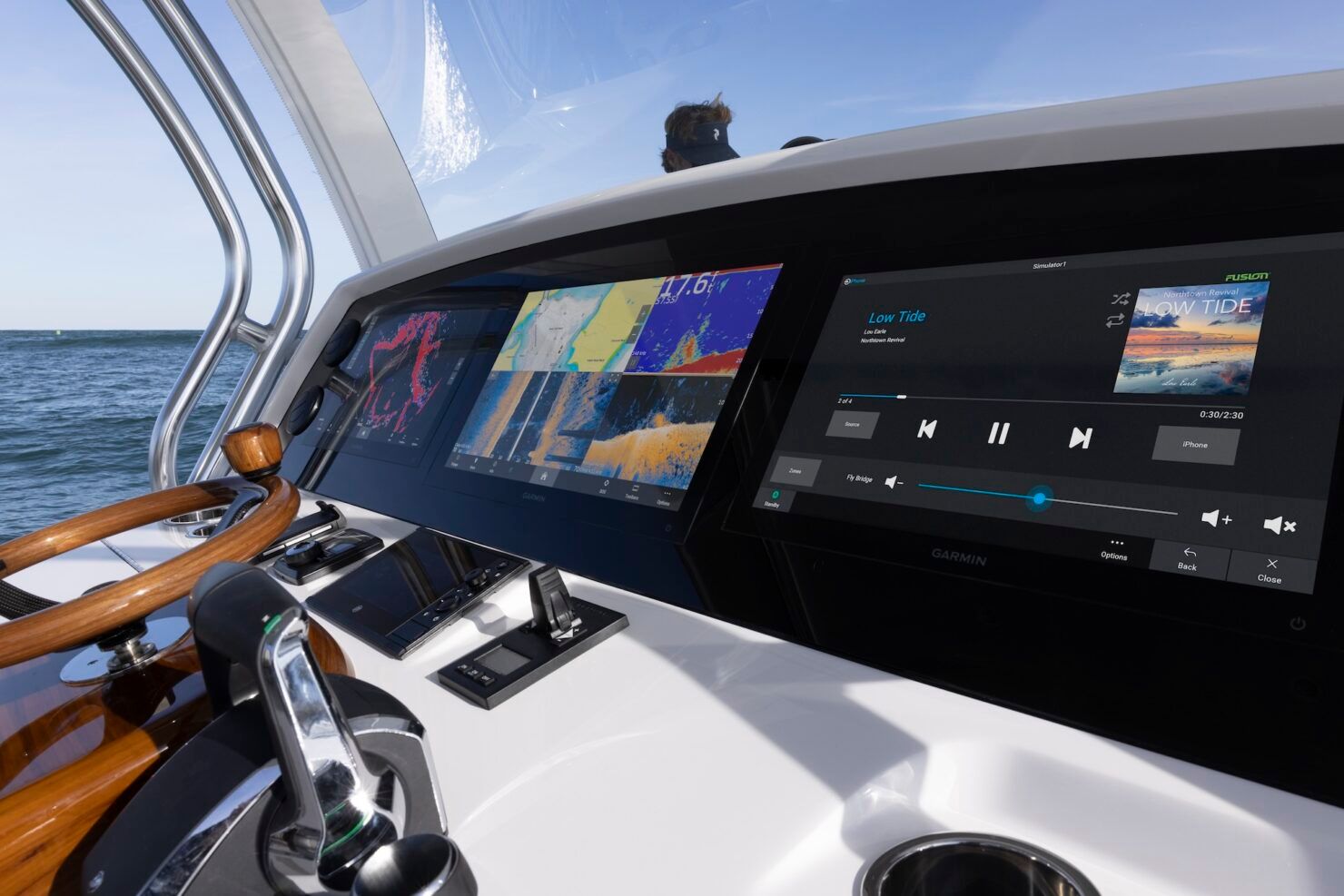
For boats running the Outer Banks, Cape Fear, or Wilmington area offshore — navigation, radar, AIS, and autopilot matter more than live sonar. CVMS installs offshore-capable navigation packages: Simrad or Garmin MFDs with integrated radar, VHF with DSC, and autopilot drive units appropriate to the vessel. The NMEA 2000 integration that links these systems for a single-screen helm experience is CVMS's core competency regardless of the specific brands involved.
Minn Kota Trolling Motor Installation and Integration
CVMS is a Minn Kota dealer and installs Ultrex, Ulterra, and Terrova models including Garmin integration for Panoptix LiveScope and Ghost motor configurations. Trolling motor installation — correct bow mounting, cable routing to the battery bank, network connection to the chartplotter — is part of the marine electronics scope at CVMS, not a separate job at a separate shop.
Frequently Asked Questions
How long does a marine electronics installation take at CVMS?
A single unit with transducer — fish finder or chartplotter — typically takes one to two days. A full helm build with MFD, live sonar, trolling motor integration, and NMEA 2000 network takes two to four days depending on hull complexity. Timeline is confirmed at quote.
Will CVMS install units I purchased online or from another retailer?
Yes. CVMS installs owner-supplied units. Note that unit warranty claims on owner-supplied electronics must go through the manufacturer — CVMS's warranty covers the installation workmanship. Discussing your planned unit selection with CVMS before purchasing can prevent compatibility and warranty issues.
Can CVMS improve a sonar installation that is already on my boat but performing poorly?
Yes. Poor sonar performance is frequently a transducer placement, cable routing, or network configuration problem rather than a unit failure. CVMS diagnoses existing installations and corrects the root cause. Bring the boat to 420 Montclair Dr., Salisbury, NC — a diagnostic assessment determines whether the problem is fixable without unit replacement.
Does CVMS install autopilot systems?
Yes. CVMS installs autopilot systems from Garmin, Simrad, and Raymarine including the drive unit, course computer, helm sensor, and sea trial calibration. Autopilot calibration after installation is mandatory for correct performance — CVMS does not skip this step.
Your electronics perform at the level of the installation. Call CVMS at (704) 267-7259 or visit cvmsnc.com/marine to schedule a consultation. Serving High Rock Lake, Lake Norman, and boats throughout the NC Piedmont and coast.