How Much Does Marine Electronics Installation Cost in North Carolina? A Buyer’s Guide
Navigating the waters of marine electronics installation can be challenging, particularly regarding understanding the associated costs. This guide aims to shed light on the various factors determining marine electronics installation costs in North Carolina, as well as what you can expect in terms of product prices and installation procedures. As boaters increasingly seek advanced systems like GPS, fish finders, and radars, grasping the costs involved becomes essential for both budget planning and decision-making. In particular, we will explore key elements affecting costs, including types of equipment and installation labor, and how these influence the final price.
Throughout the article, we'll delve into the breakdown of expenses across different electronics brands and services, ensuring you are well-informed before making any purchase. Whether you're looking to equip your vessel with a new marine stereo or install a state-of-the-art radar system, understanding costs can greatly enhance your marine experience. Moreover, we will highlight how to get accurate installation quotes from Carolina Vehicle and Marine Solutions, which specializes in these services.
What Are the Key Components Affecting Marine Electronics Installation Cost in NC?
Several factors contribute notably to the overall cost of marine electronics installation in North Carolina. Primarily, these factors revolve around the type of equipment being installed and the labor costs associated with the installation process itself.
How Do Equipment Types Like GPS, Fish Finders, and Marine Stereos Influence Pricing?
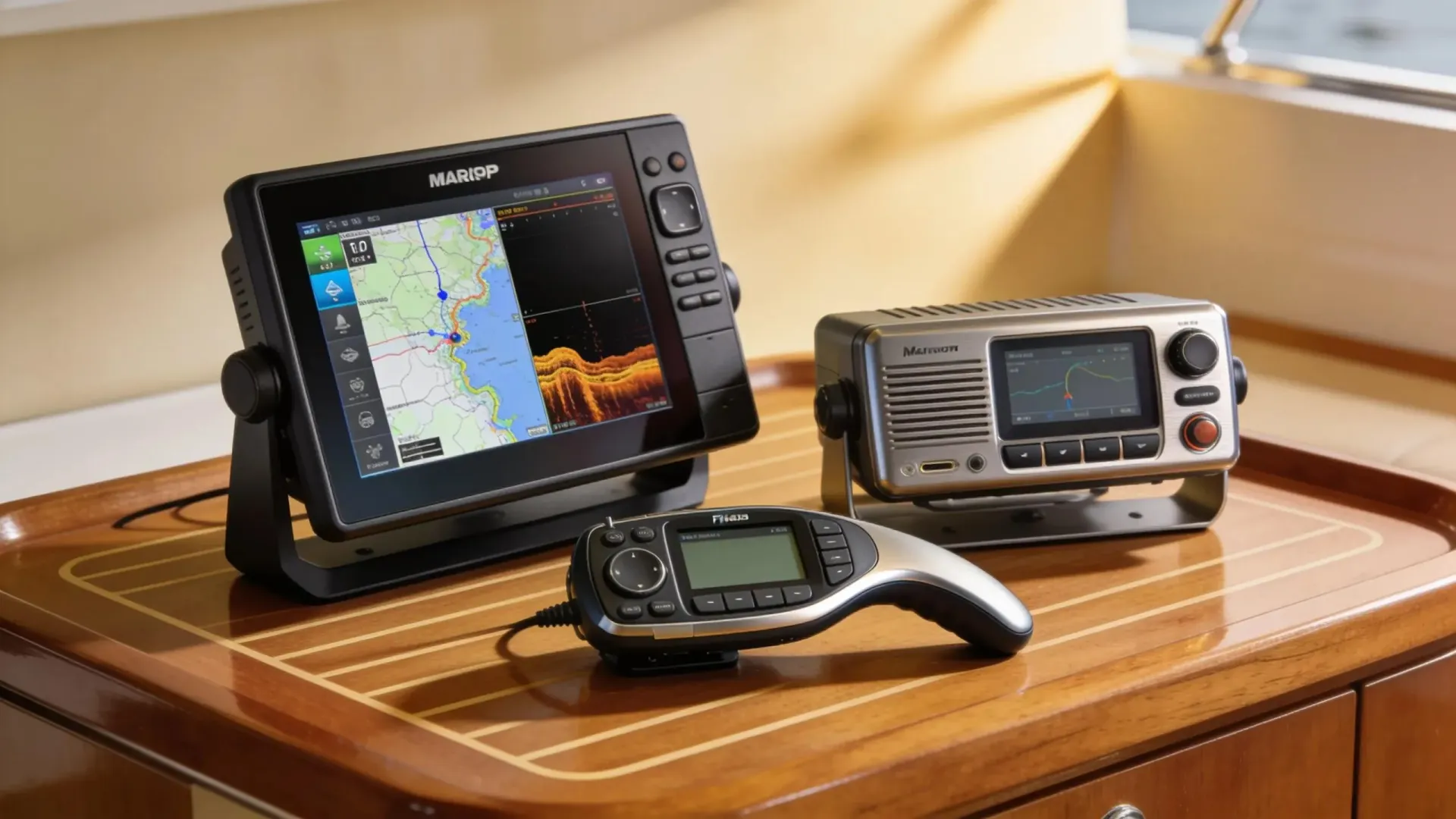
The pricing for marine electronics is significantly influenced by the type of equipment being installed. For instance, a high-end GPS system may range from $1,000 to $3,500, while fish finders typically cost between $500 and $2,000. Marine stereos can vary as well, costing around $150 to $1,000 depending on features and quality. More advanced systems often come with additional features such as integrated mapping, Bluetooth connectivity, and higher resolution displays, which can further drive up costs.
What Are Labor and Wiring Costs Involved in Installation?
Labor costs for marine electronics installations usually depend on the complexity of the job, with average rates ranging from $75 to $150 per hour. Installation time can vary, typically requiring 2-8 hours based on equipment type and the installation site. Other wiring expenses may be required, especially if custom fabrication or extensive wiring is needed to fit the specific make and model of the boat. As a general guideline, it's advisable to factor in both labor and material costs when planning your budget for marine electronics installation.
Which Popular Marine Electronics Brands Are Supported and How Do They Affect Prices?
Different brands associated with marine electronics offer diverse pricing structures due to their unique features and technologies. Understanding these brands can help you make informed decisions based on your budgetary requirements and installation scope.
What Installation Costs Are Typical for Garmin, Raymarine, and Lowrance Devices?
For popular brands like Garmin, installation costs might average around $200 to $400 depending on the model and features being applied. Raymarine devices can range similarly, also depending on their specific systems, like plotters or radars. Lowrance products, known for being more budget-friendly, would typically have installation costs in the range of $150 to $300 for basic setups.
How Does Compatibility Influence Installation Complexity and Cost?
Equipment compatibility plays a crucial role in determining installation complexity and overall pricing. If devices are incompatible, additional components may be required, leading to increased labor costs and installation time. It's essential to factor in any potential compatibility issues when planning your installation, as these can add considerable expense and delay the project.
What Is the Typical Installation Process and Timeline for Marine Electronics in NC?
Understanding the installation process is critical for planning your marine electronics installation. A clear overview will guide you on what to expect, including timeframes and necessary steps to ensure successful equipment installation.
How Long Does Marine GPS or Fish Finder Installation Usually Take?
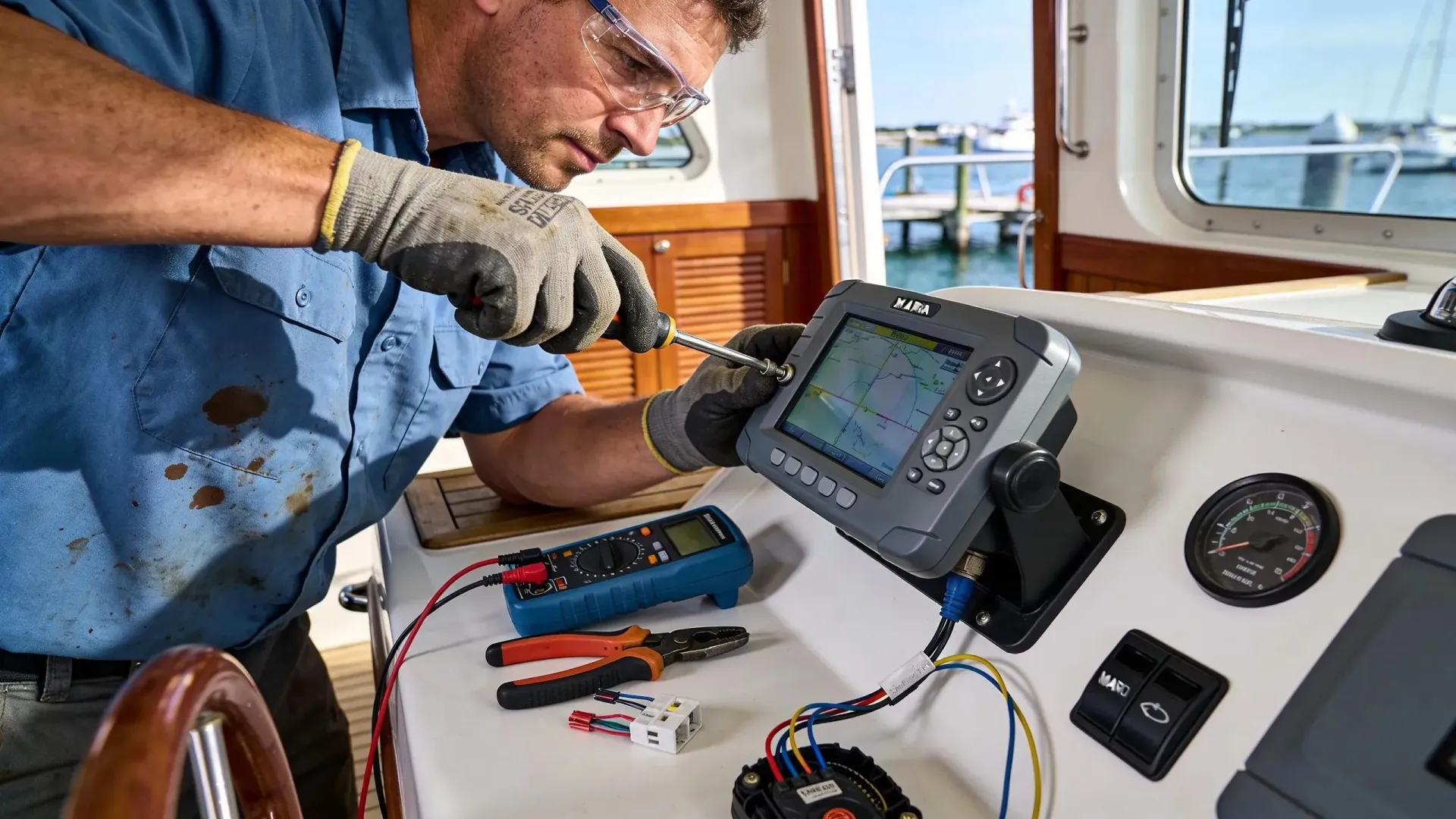
Typically, installing a marine GPS or fish finder can take anywhere from 2 to 6 hours. Basic installations, involving straightforward setups, may be quicker, while more elaborate systems that require additional integration or custom installations might take longer.
What Steps Are Included in a Professional Marine Electronics Installation?
The steps in a professional installation process generally include initial consultation, equipment selection, wiring setup, and final testing. This comprehensive approach ensures that all components are properly integrated into your vessel’s system while adhering to safety standards. Verification of functionality is conducted at the end to confirm that all systems are operational.
How Can You Obtain Accurate Installation Cost Estimates from Carolina Vehicle and Marine Solutions?
To receive precise cost estimates for your marine electronics installation, Carolina Vehicle and Marine Solutions provides a seamless process, focusing on clarity and customer service.
What Is Included in the Free Estimate and Service Appointment Process?
The free estimate process includes an initial consultation with one of our specialists who will evaluate your requirements and offer a detailed breakdown of service costs. This session typically covers all potential costs related to products, labor, and any additional installations needed. Following the assessment, you can schedule a service appointment to initiate the installation.
How Does Carolina Vehicle and Marine Solutions Ensure Reliable Service and Customer Satisfaction?
Carolina Vehicle and Marine Solutions is committed to delivering reliable service, focusing on both quality assurance and customer satisfaction through experienced technicians who follow best practices in installation.
What Additional Factors Can Influence Marine Electronics Installation Costs in North Carolina?
Beyond equipment and labor, several additional factors can profoundly impact installation costs, particularly in regard to unanticipated repairs or custom fabrication.
How Do Emergency Repairs or Custom Fabrication Affect Pricing?
Emergency repairs can significantly increase costs, as expedited service typically incurs higher labor rates. For instance, an emergency repair might see labor costs rising to as much as $200 an hour due to the urgent nature of the service. Additionally, any custom fabrication needed to fit particular devices can add substantial costs if materials and specialized labor are required.
What Warranty and Maintenance Options Are Available After Installation?
Carolina Vehicle and Marine Solutions offers various warranty options for installations, typically ranging from 12 months to 3 years depending on the equipment used. Additionally, post-installation maintenance services ensure that your electronics continue to function correctly and efficiently, providing peace of mind for boat owners.