Side-by-Side Street Legal Kit NC | UTV Customization & Audio | CVMS

Most side-by-side owners find out the hard way that riding from the trailhead to camp, crossing a rural road to access adjacent trails, or driving through a subdivision on the way to a hunting lease puts them in a gray area the law has a specific opinion about. North Carolina does not have a comprehensive OHV street legalization statute like some western states. What it has is a set of equipment requirements under NC General Statute Chapter 20 that any vehicle operated on a public road must meet — and those requirements are more achievable than most UTV owners expect before they look into it.
CVMS installs street legal compliance packages, trail lighting, and audio systems on side-by-sides from their shop in Salisbury, NC. Here is what NC law actually requires, what the installation involves, and what beyond the legal minimum makes a UTV genuinely usable.
North Carolina Street Legal Requirements for UTVs
To be operated legally on a public road in NC, a vehicle must meet NC General Statute Chapter 20 equipment standards. For a side-by-side, that means:
- Headlights: white-light headlamps visible at 500 feet in normal conditions, mounted at appropriate height
- Taillights and brake lights: red rear lighting activated by the brake
- Turn signals: front and rear directional indicators at the correct flash rate
- Reflectors: red rear reflectors
- Horn: audible warning device heard at 200 feet
- Mirrors: rearview mirror providing adequate rear visibility from the driver's seat
- Windshield wiper: required if a windshield is installed that affects forward vision
- Speedometer: functioning speedometer
- DOT-rated tires: most stock UTV tires are not DOT-approved for road use — this is the specification that surprises most owners
Beyond equipment, the vehicle must be registered as a motor vehicle with the NC DMV, titled in the owner's name, and insured for road use. CVMS installs the equipment; registration, titling, and insurance are handled by the owner.
The DOT Tire Requirement: The Most Commonly Missed Specification
The DOT tire requirement catches more UTV owners off-guard than any other specification. Most factory UTV tires — including stock tires on Polaris RZR, Can-Am Maverick, and Yamaha RMAX — are not DOT-approved for highway use. A tire without the DOT compliance marking on the sidewall is not legal for NC road operation regardless of what other equipment is installed.
DOT-rated UTV tires are available from several manufacturers including ITP, Maxxis, and CST in sizes compatible with most UTV rims. They perform well for mixed-use applications — road transit between trail access points — while providing acceptable trail performance for moderate terrain. They are not as aggressive as dedicated mud tires but are the correct specification for a street-legal build.
CVMS can source and mount DOT-rated UTV tires as part of a complete street legal package. Confirm the correct size and load rating against your specific vehicle's rim and payload specifications before ordering.
Ready to build your street legal kit? Call CVMS at (704) 267-7259 or visit cvmsnc.com/vehicle. Bring your side-by-side to 420 Montclair Dr., Salisbury, NC 28144 for a compliance and build consultation.
What CVMS Installs for Street Legal Compliance
Lighting Kit
CVMS installs DOT-compliant LED lighting kits with headlights, taillights, brake lights, and turn signals. These are not generic light bars with a relay-triggered turn signal — they are properly aimed, correctly positioned LED units that meet NC equipment standards. Beam aim, mounting height, and the separation of headlight from turn signal function are the details that distinguish a compliant installation from a non-compliant one that will still get the owner a citation.
Horn and Mirrors
CVMS installs compact, weather-resistant horn units appropriate to the UTV's electrical system, and mounts rearview and side mirrors to the roll cage or A-pillar in positions that provide the required rear visibility without creating trail-use problems. Mirror mounting on a UTV requires solutions that survive the vibration and occasional brush contact that road-legal mirrors on a trail vehicle encounter. CVMS uses appropriate brackets and hardware for the specific vehicle platform.
Beyond Compliance: Trail and Off-Road Equipment CVMS Installs
Light Bars and Driving Lights
A 30-inch or 40-inch light bar on the cage or roof provides the forward illumination that makes night trail riding practical rather than theoretical. CVMS installs Southern Lite LED and compatible products and wires them to switched circuits with relay and fuse protection appropriate to the current draw. A light bar wired directly to the battery without a relay will burn the switch, drain the battery at rest, and eventually fail the light. CVMS wires to manufacturer specification with a proper relay circuit, inline fuse, and marine-grade switch at the dash.
Whip Lights and Side Lighting
Flexible LED whip lights improve side visibility at trail intersections and dune environments where other vehicles approach from the side without clear line-of-sight. CVMS installs and wires LED whips to the vehicle's electrical system with switched control.
Audio System Installation
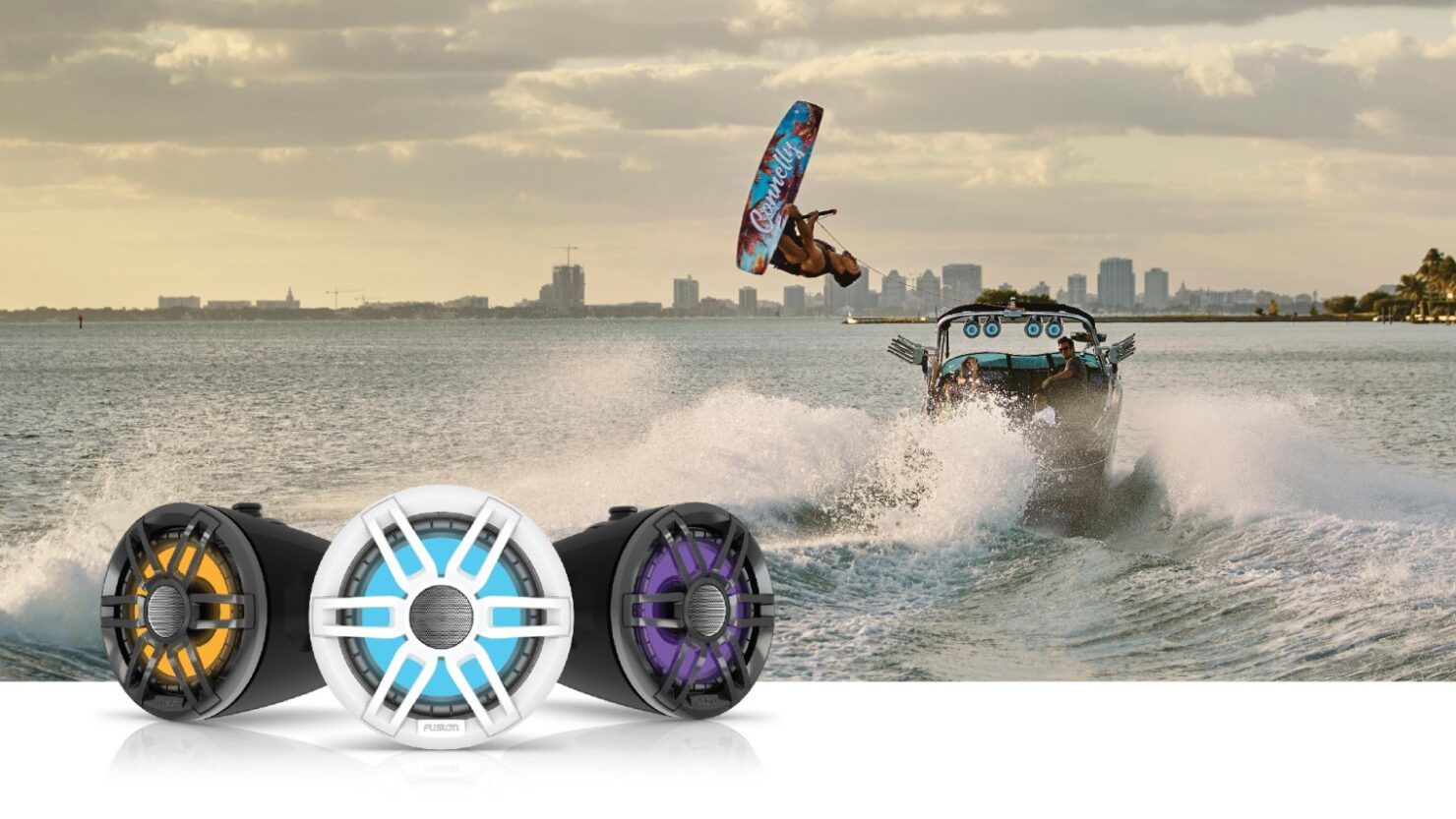
A side-by-side audio system in the Carolina environment — summer heat, trail dust, water crossings, and the vibration of rough terrain — requires components built for that environment. Standard car audio equipment fails in these conditions. CVMS installs off-road audio systems using marine-rated speakers, weather-resistant amplifiers, and sealed enclosures appropriate to the UTV's roll cage configuration.
Typical CVMS UTV audio builds include:
- Marine-rated coaxial or component speakers mounted to the cage — JL Audio, Wet Sounds, or equivalent brands designed for outdoor environments
- Compact weather-resistant amplifier mounted away from direct water exposure and heat sources — behind the seat or in a protected console location
- Marine-grade head unit or Bluetooth source unit with sealed face appropriate for outdoor use
- Speaker and power wiring in protective loom, secured at intervals, with weatherproofed terminal connections
Audio quality in a UTV at speed depends on both the speakers and their placement. CVMS evaluates the roll cage layout and proposes speaker positions that maximize driver and passenger coverage without mounting speakers where they will take direct trail debris impact. A poorly placed speaker that gets destroyed on the first trail ride is not a useful audio upgrade.
Underglow and Accent Lighting
RGB LED underglow and accent lighting packages are available for owners who want to customize the appearance of their UTV for night events, recreational rides, and weekend use. CVMS installs and wires RGB systems with app control or in-cab switch panels.
Vehicles CVMS Builds On
CVMS installs street legal and off-road equipment on all major UTV platforms. Mounting solutions are sourced for the specific vehicle — not adapted from a generic bracket kit:
- Polaris: RZR (all years and configurations), Ranger, General
- Can-Am: Maverick (all trim levels), Defender, Commander
- Yamaha: RMAX2 and RMAX4, Viking, Wolverine
- Honda: Pioneer 1000 and 500 series
- Kawasaki: Teryx and Mule series
Frequently Asked Questions
Can I legally ride my side-by-side on public roads in North Carolina with these kits installed?
With the correct equipment installed and the vehicle registered, titled, and insured as a motor vehicle, yes. NC does not have a specific UTV road-use provision — the vehicle must meet NC General Statute Chapter 20 equipment standards that apply to any motor vehicle. CVMS installs the equipment required to meet those standards.
How long does a street legal kit installation take at CVMS?
A basic compliance kit — lighting, horn, mirrors — is typically completed in one day. A full build including trail lighting, audio system, and electrical upgrades takes two to three days depending on scope. Bring the vehicle to 420 Montclair Dr., Salisbury, NC 28144.
Do I need to register and title my UTV separately for road use?
Yes. A UTV operated on NC public roads must be registered and titled with the NC DMV as a motor vehicle and carry appropriate liability insurance. CVMS handles the equipment installation; registration, titling, and insurance are the owner's responsibility.
What audio brands does CVMS install on UTVs?
CVMS installs marine-rated audio equipment appropriate to the off-road environment — JL Audio, Wet Sounds, and comparable brands designed for outdoor use. Standard car audio equipment is not recommended for UTV applications due to heat, moisture, and vibration exposure. Discuss your audio goals and budget with the CVMS team when scheduling the build consultation.
CVMS builds street legal kits, trail lighting, and audio systems for North Carolina UTV owners. Call (704) 267-7259 or visit cvmsnc.com/vehicle. Serving Rowan County and the NC Piedmont — Polaris, Can-Am, Yamaha, Honda, and Kawasaki.