Fish Finder Troubleshooting Tips for Accurate Sonar Readings
By Troy Agner , Carolina Vehicle & Marine Solutions
Navigating the complexities of fish finders can be daunting, especially when accuracy in sonar readings is crucial for a successful fishing experience. This article will provide you with essential troubleshooting tips to ensure your fish finder operates effectively. Understanding how various factors affect sonar performance, along with practical calibration techniques, can transform your fishing outings. As we delve into the workings of fish finders, common errors, calibration process, maintenance, and the influence of environmental factors, you will discover the solutions needed to enhance your sonar readings significantly.
How Does a Fish Finder Work and Why Is Sonar Accuracy Critical?
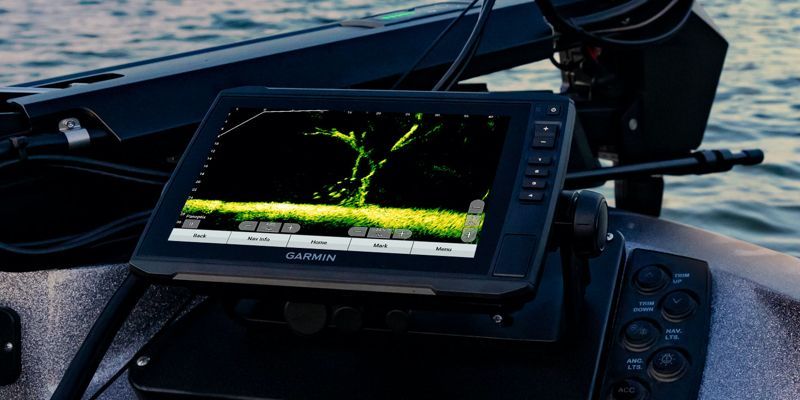
A fish finder operates by emitting sonar waves into the water, which echo off of objects, including fish, and return to the device. This process, known as sonar technology, is essential for identifying fish and underwater structures. The accuracy of these sonar readings can greatly influence fishing success, making it imperative to maintain your equipment adequately. Precise readings not only help in locating fish but also allow anglers to understand the underwater landscape, leading to better fishing strategies.
What Are the Key Components of a Fish Finder Device?
Key components of a fish finder include the transducer, display, and sonar technology.
- Transducer : This vital part emits sonar waves and receives their echoes, converting them into visual data displayed on the screen.
- Display : It presents the sonar information in graphical form, helping users interpret the data effectively.
- Sonar Technology : Various sonar frequencies enhance the resolution of the displayed information, providing insights into water depth and fish location.
How Does Sonar Technology Affect Fish Finder Performance?
Sonar technology significantly impacts the performance of fish finders. The frequency of the sonar wave affects both the depth range and the detail of the readings. Higher frequencies provide detailed images but have limited depth penetration, while lower frequencies can penetrate deeper but with less detail. Selecting the right frequency based on the fishing environment is crucial for achieving optimal sonar performance.
What Are the Most Common Fish Finder Errors and How Can You Fix Them?
Fish finders can experience several common errors impacting their readings. Identifying these issues swiftly can help maintain performance and increase your chances of a successful fish catch. Some prevalent problems include misconfigurations, display issues, and interference from other electronic devices.
Which Error Codes and Display Problems Indicate Fish Finder Malfunctions?
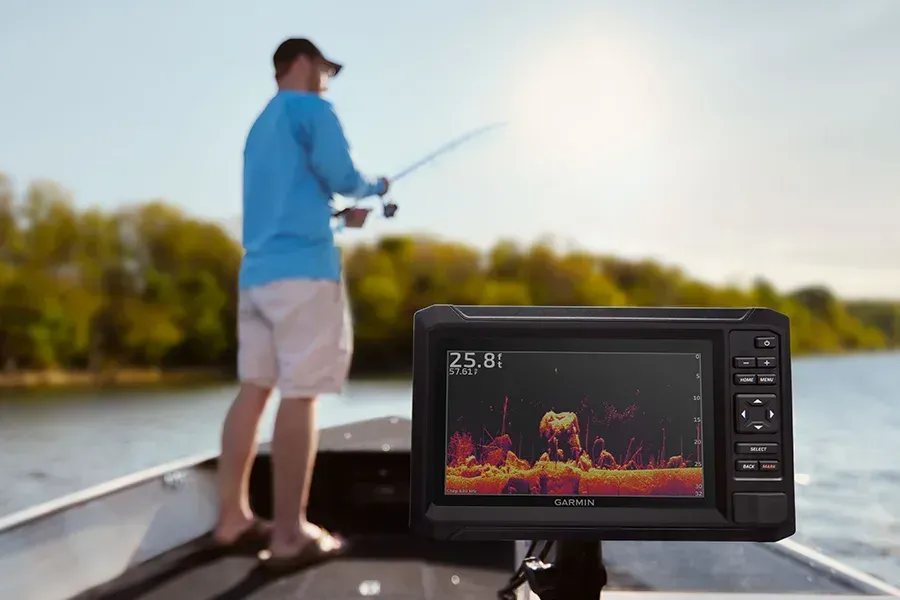
Here are some common error codes and display problems encountered with fish finders:
| Error Code | Possible Cause | Suggested Fix |
| No Signal | Faulty transducer connection or water depth | Check connections and water conditions |
| Depth Error | Incorrect ranging settings | Reset depth range settings |
| Fish ID off | Misconfigured sensitivity settings | Adjust sensitivity settings |
These error codes can significantly hinder the functionality of your fish finder. Addressing them promptly ensures uninterrupted fishing experiences.
How to Resolve Power Failures and Signal Interference in Fish Finders?
Power failures and signal interference are common challenges that can affect fish finder performance. To resolve these issues:
- Check Your Battery : Ensure that the battery is charged and connections are secure to prevent power interruptions.
- Inspect Cables and Connections : Look for frayed wires or loose connections that can lead to signal loss or device malfunction.
- Minimize Interference : Keep other electronics away from the fish finder to avoid interference with sonar readings.
Addressing these areas can improve the reliability of your fish finder while on the water.
How Do You Calibrate Your Fish Finder to Improve Sonar Accuracy?
Calibration is crucial for enhancing the accuracy of sonar readings. Proper settings maximize the effectiveness of your fish finder, allowing for more precise data interpretation.
What Is the Step-by-Step Fish Finder Calibration Guide?
To calibrate your fish finder, follow these steps:
- Install the Transducer Correctly : Ensure that the transducer is aligned at the correct angle and depth for optimal performance.
- Adjust the Settings : Many fish finders come with preset settings; however, manual adjustments may be necessary based on your environment.
- Test and Fine-Tune : Perform a trial run to ensure accurate readings, adjusting configurations as needed.
These calibration steps help prepare your fish finder for accurate sonar performance.
How to Adjust Sonar Sensitivity and Gain for Optimal Performance?
Adjusting the sonar sensitivity and gain settings is vital for optimal performance. To enhance visibility:
- Increase sensitivity to detect smaller fish.
- Reduce it in shallow waters to avoid cluttering the display.
- Adjust gain settings depending on water conditions; murkier waters may require higher gain for clearer readings.
Understanding these adjustments allows for better interpretation of underwater structures and fish location.
What Are Best Practices for Transducer Installation and Maintenance?
The transducer is essential for accurate sonar readings, making its proper installation and maintenance vital.
How Does Transducer Alignment Affect Sonar Signal Quality?
Transducer alignment significantly affects signal quality. If not positioned correctly, it can result in poor readings. Key points for proper alignment include:
- Angle Adjustments : The transducer should be installed at a slight angle to ensure sonar waves are effectively transmitted.
- Depth Placement : Ensure that it is submerged adequately, especially at higher speeds, to avoid air bubbles that can distort readings.
Maintaining the transducer ensures consistent performance from your fish finder.
What Are Routine Maintenance Tips to Prevent Fish Finder Malfunctions?
Regular maintenance prevents unexpected malfunctions and prolongs the lifespan of your fish finder. Here are essential maintenance tips:
- Regular Cleaning : Keep the transducer clean from debris and algae buildup.
- Software Updates : Check for software updates regularly to ensure the device functions optimally.
- Store Properly : When not in use, store the fish finder in a cool, dry place to avoid weather-related damage.
Following these tips helps keep your fish finder in peak condition.
How Do Software and Firmware Updates Enhance Fish Finder Functionality?
Software and firmware updates are crucial for improving fish finder performance. These updates can provide new features and resolve bugs that may hinder functionality.
Why Are Updates Important for Accurate Sonar Readings?
Updates often improve algorithms related to sonar interpretation, providing clearer and more accurate readings. Regular updates ensure that your device can handle the latest technology and remain efficient.
How to Safely Install Software Updates on Your Fish Finder?
To ensure safe installation of software updates:
- Back Up Data : Before updating, back up existing settings and data.
- Follow Manufacturer Instructions : Adhere strictly to the instructions provided for the update process.
- Test After Updates : After installation, perform a test run to verify everything is functioning correctly.
Following these steps will minimize issues following updates.
Which Environmental Factors Impact Sonar Readings and How Can You Overcome Them?
Environmental conditions play a significant role in the effectiveness of sonar readings. Understanding these factors allows for better adaptation and improved results.
How Do Water Conditions and Obstructions Cause Signal Interference?
Water conditions such as temperature, salinity, and clarity can affect sonar signals. Key obstruction factors include:
- Temperature Variations : Sudden changes in temperature can create thermoclines, which may disrupt signals.
- Obstructions : Rocks, plants, and debris can reflect and absorb sonar waves, affecting readings.
Recognizing these factors helps in adjusting strategies for more effective fishing.
Environmental Factors Affecting Fish School Sonar Readings
The size of pelagic fish schools depends on several parameters related to internal factors such as species, number of fish, fish swimming speed and physiological status and to external factors, such as hydrological factors and presence of predators. In order to better understand these relations, results coming from echosounder and multibeam sonar databases are analysed. Field data are collected during four acoustic surveys in the Mediterranean Sea in two different areas (Catalan and Adriatic Seas). The analysis shows differences between the two areas regarding size and position in the water column: schools are deeper and their mean size is lower in the Catalan Sea in comparison with Adriatic Sea. The differences in size of schools are mainly related to differences in school length. Moreover, the elongation of schools seen with the sonar is greater than one and half higher in the Adriatic Sea than in the Catalan Sea, whereas one would expect similar values for the two areas. The results are discussed in terms of environmental influence, avoidance reaction and acoustic capabilities of both tools. A hypothesis is proposed: the variation of school length and consecutively the variation of the correlated dimensions is first related to the strength of the avoidance reaction in front of the vessel and this effect can be reinforced depending on the environmental conditions. The model takes into account the effect of the boat, the vertical constraints undergone by the schools, and the internal requirements of the schools, such as the necessity for fish to keep visual contacts and the cohesion of the group.Effect of external factors (environment and survey vessel) on fish school characteristics observed by echosounder and multibeam sonar in the Mediterranean Sea, 2003
What Adjustments Can Improve Sonar Accuracy in Challenging Conditions?
When facing challenging conditions, consider the following adjustments:
- Adjust sonar frequency according to water clarity.
- Change the sensitivity settings based on underwater structures.
- Utilize drift or trolling modes to improve tracking accuracy.
Making these adjustments enables better sonar performance in various environments.
Contact Carolina Vehicle & Marine Solutions
For expert advice and assistance with your fish finder, contact Carolina Vehicle & Marine Solutions at (704) 267-7259 . Our team is ready to help you optimize your sonar readings and enhance your fishing experience.