Marine Navigation System Upgrades for Enhanced Boating Safety
By Troy Agner , Carolina Vehicle & Marine Solutions
Advancements in marine navigation technology are crucial for ensuring safe boating experiences. As boating enthusiasts venture out on the water, the importance of reliable navigation systems becomes increasingly evident. This article will explore the various marine navigation system upgrades available that can significantly enhance safety—and improve overall boat performance. By understanding these upgrades, boaters can make informed decisions about what best suits their needs.
In this comprehensive guide, we will discuss expert solutions pertaining to marine navigation systems, covering essential topics such as benefits of upgrades, GPS systems, key features of advanced technologies, and installation processes. Our exploration will also include comparisons of the best boat safety equipment available on the market today.
Expert Solutions
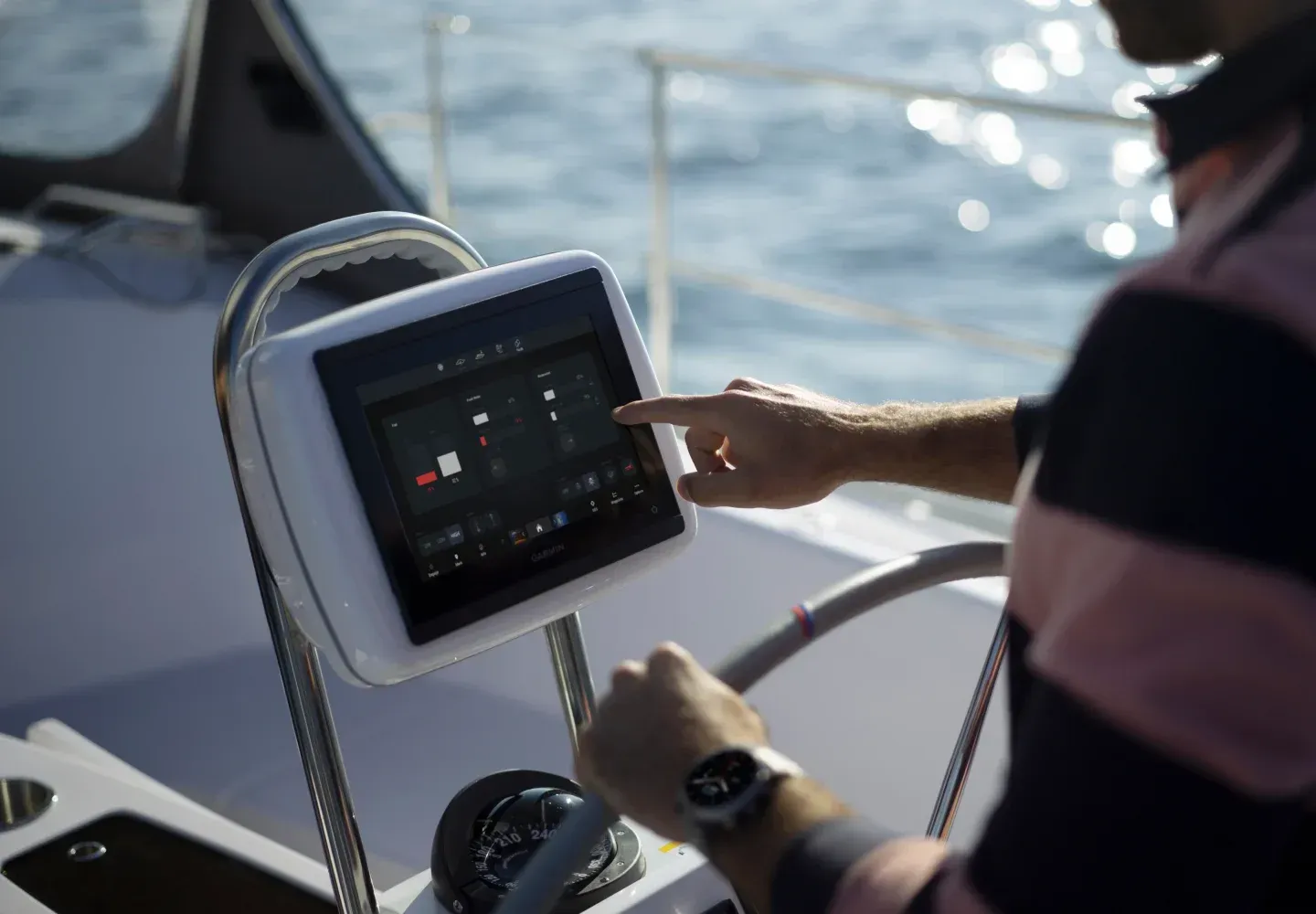
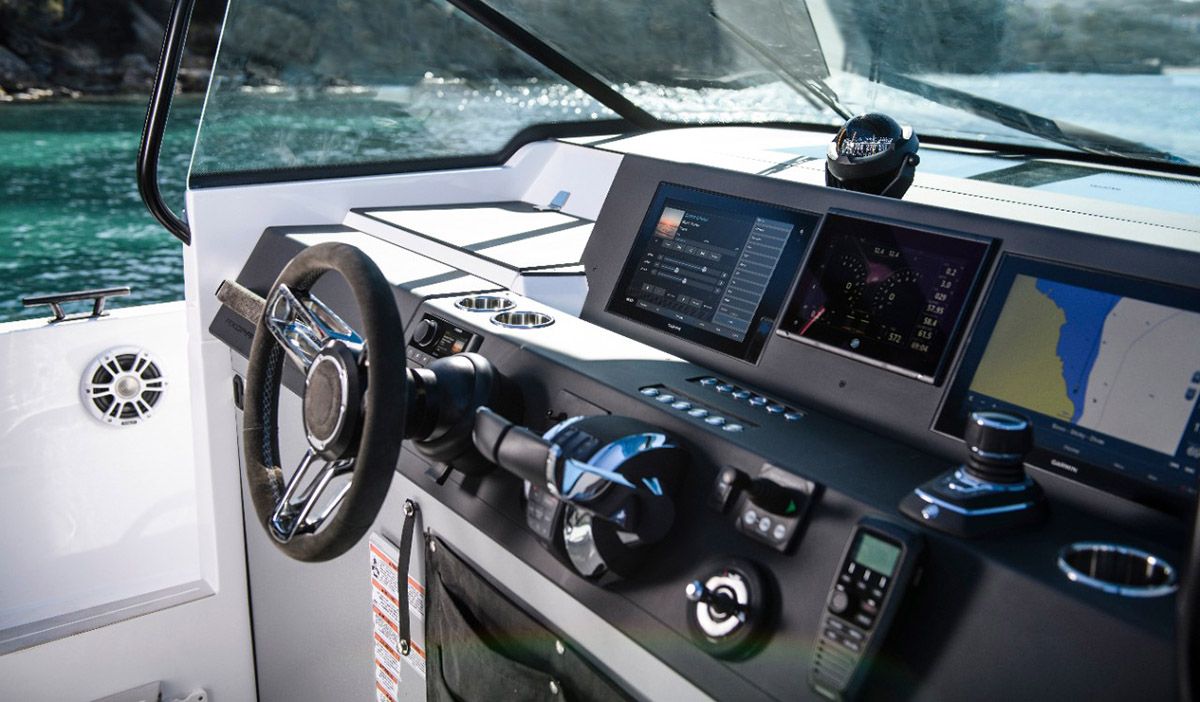
Marine navigation systems comprise an array of technologies designed to improve safety and performance. These systems include GPS, radar, and sonar technologies, each offering unique capabilities for monitoring sea conditions and navigating effectively.
- Marine GPS Systems : These devices utilize satellite signals to provide accurate positioning information, enabling boaters to navigate with confidence. The evolution of GPS has revolutionized boating, providing real-time updates on location and conditions.
- Marine Radars : These systems play a critical role in collision avoidance by detecting other vessels, landmasses, and obstacles in poor visibility conditions. Radar technology transmits signals that reflect off objects, providing a visual representation of what lies ahead.
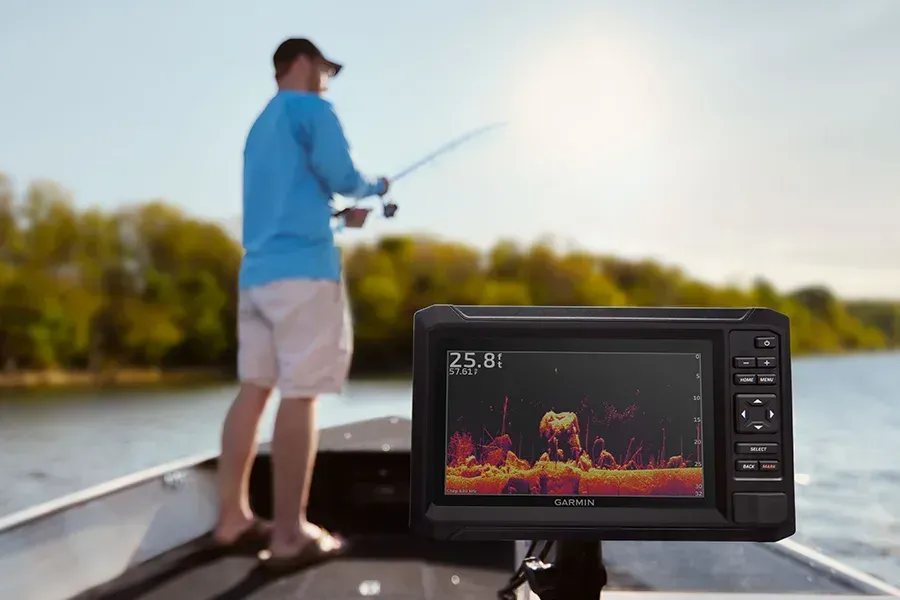
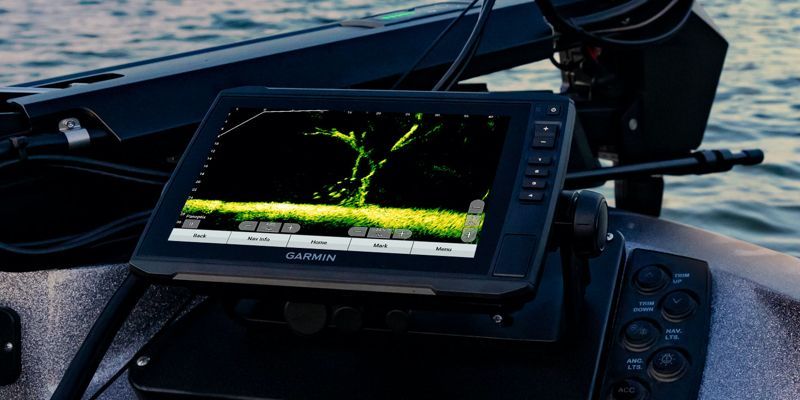
- Fish Finders : While primarily designed for anglers, these devices also assist in navigation by revealing underwater structures, which can help avoid hazards lurking below the surface.
Understanding these expert solutions allows boaters to make educated decisions regarding their marine navigation systems.
Benefits of Upgrades
Upgrading marine navigation systems yields numerous benefits that enhance maritime safety and efficiency.
- Enhanced Safety : The primary benefit of upgrading is improved navigation accuracy, which significantly reduces the chances of accidents on the water.
- Improved Efficiency : Modern systems offer advanced features that streamline operations, making navigation smoother and more intuitive.
- User Convenience : New technological interfaces are often more user-friendly, allowing boaters to focus on navigation rather than the systems themselves.
By opting for upgrades, boaters can expect a safer and more enjoyable experience on the water. Carolina Vehicle and Marine Solutions specializes in professional customization and installation services that can enhance these systems. They provide tailored solutions to help boaters achieve optimal performance and safety.
How Do Marine GPS Systems Improve Boating Safety?
Marine GPS systems improve boating safety by providing accurate positioning and real-time updates. With the ability to pinpoint a vessel's location, boaters can navigate more effectively, plan routes, and avoid hazards. Moreover, they furnish essential navigation aids that assist in identifying dangers such as rocks or shallow areas.
By incorporating these features, users gain critical insights that bolster their navigation skills and mitigate risks. Understanding how these systems enhance safety forms the foundation for selecting the right technology.
For decades, continuous innovation has shaped satellite navigation systems like GPS, transforming maritime operations and applications.
Modern Satellite Navigation Systems for Enhanced Maritime Operations
The last years gave a rise to many important changes in the operational status and practical exploitation of satellite navigation systems (SNS) GPS & GLONASS, differential mode of these systems (DGPS, DGLONASS) and Satellite Based Augmentation Systems (SBAS) as EGNOS or WAAS. Therefore the modernization of these systems as new satellites, new civil signals, new codes, new monitoring stations etc. and the details about new systems under construction as Galileo, Compass and IRNSS, the problem of interoperability and new maritime applications are presented in this paper. Modernization of satellite navigation systems and theirs new maritime applications, 2007
Key Features of Advanced Marine GPS Navigation Upgrade Systems
Advanced marine GPS navigation systems come equipped with several key features designed to enhance safety and usability:
- Real-Time Data : Continuous updates ensure that boaters are aware of any changes in their environment.
- Obstacle Detection : Many systems include obstacle detection capabilities that alert users to potential dangers in real-time.
- User-Friendly Interfaces : Modern upgrades typically feature intuitive controls, making navigation easier even under stressful conditions.
The integration of these features significantly boosts the effectiveness of navigation systems.
Safety Advantages of Accurate GPS Tracking on Boats
Accurate GPS tracking delivers several safety advantages for boaters, particularly in challenging conditions.
- Improved Navigation Accuracy : GPS technology minimizes human error, ensuring that boats remain on course.
- Collision Avoidance Features : Many GPS systems incorporate advanced tracking that alerts users to nearby vessels or obstacles to avoid collisions.
- Emergency Response Benefits : In case of emergencies, exact coordinates allow for swift rescue operations or assistance.
Equipping boats with reliable GPS tracking enhances overall safety on the water.
What Are the Top Marine Safety Gadgets to Enhance Boating Protection?
When it comes to enhancing boating safety, various gadgets stand out in their effectiveness and reliability:
- Marine Radios : Essential for communication with other vessels and land stations, ensuring that boaters can call for help when needed.
- Electronic Flare Kits : These provide a safe method of signaling distress.
- Personal Locator Beacons (PLBs) : When activated, PLBs send out distress signals that can be picked up by rescue services.
Investing in these safety gadgets can greatly enhance on-water security.
Review of Leading Collision Avoidance Technologies for Boats
Collision avoidance technology includes various systems that help navigate safely through busy waterways. Key technologies include:
- Integrated GPS Systems : These can combine data from radar and sonar to provide a comprehensive view of the surrounding environment.
- AIS Devices : Automated Identification Systems alert boaters to nearby vessels, significantly increasing safety.
- Marine Radars : Advanced radars enable boaters to detect potential hazards well in advance.
These leading technologies are critical for preventing accidents and ensuring safer maritime navigation.
Essential Marine Radar Systems Features for Safe Navigation
Marine radar systems possess several essential features that contribute to safe navigation:
- Obstacle Detection Capabilities : Allow boaters to identify other vessels and floating debris.
- Real-Time Data Provision : Helps boaters make informed navigation decisions on the fly.
- User Interface Considerations : Clear displays and intuitive controls are crucial for quick decision-making.
Utilizing systems equipped with these features is vital for safe boating activities.
How Are Marine Navigation System Upgrades Installed and Customized?
Installing or upgrading marine navigation systems requires careful consideration and professional expertise. Professionals conduct assessments to recommend the most suitable systems based on specific vessel needs and intended use.
Professional Installation Services for Marine GPS and Radar Systems
Collaborating with certified technicians ensures installations meet safety regulations and function effectively. Professional services typically include thorough installation processes, safety checks, and customization based on individual boat types.
Tailoring Navigation Upgrades to Different Boat Types and Uses
Every vessel has unique requirements, from small fishing boats to large yachts. Tailoring upgrades to specific characteristics, usage scenarios, and user preferences is essential. For instance, recreational boats might prioritize fish finders, while commercial vessels focus on comprehensive radar systems.
What Are the Latest Advances in Marine Navigation Technology?
Recent advancements in marine navigation technology include innovations in GPS accuracy, machine learning algorithms for route optimization, and improved sensor technologies. These developments enable boaters to navigate more effectively while enhancing safety measures.
Integration of AIS, Radar, and GPS for Comprehensive Safety
Integrating AIS, radar, and GPS systems forms a robust safety framework for marine navigation. This integration allows for:
- Enhanced Situational Awareness : Providing a complete picture of the maritime environment.
- Improved Decision-Making : Allowing for timely responses to changing conditions.
- Safety Improvements : Especially during poor visibility or high-traffic areas.
The synergies created from this integration significantly enhance on-water safety.
Benefits of Marine Autopilot Systems for Navigation Efficiency
Marine autopilot systems offer several logistical and safety advantages:
- Improved Navigation Accuracy : Automates course adjustments, maintaining efficiency even in rough waters.
- Reducing Human Error Risks : Minimizes the likelihood of mistakes due to fatigue or distractions.
- Fuel Efficiency Improvements : Autopilots can optimize routing to conserve fuel during long journeys.
These benefits illustrate why incorporating autopilot systems is a smart choice for many boaters.
For enhanced navigation efficiency and accuracy, modern marine autopilot systems integrate advanced algorithms and user-friendly interfaces, contributing to safer and more enjoyable boating experiences for small vessels.
Electronic Chart GPS Plotter and Autopilot for Enhanced Small Vessel Safety
With the ongoing growth of the marine leisure industry, the demand for small vessels and technologies to improve their safety and efficiency has risen. This study focuses on developing an Electronic Chart GPS Plotter system specifically designed for small vessels, addressing challenges like limited fuel capacity, shorter operating ranges, and narrow sea routes. Unlike traditional GPS Plotters, which are optimized for large commercial vessels, this system integrates key route planning algorithms, including the Great Circle Route, Fermat's Spiral, Clothoid, and Cubic Hermite Spline interpolation, ensuring smooth and optimized route connectivity. The system also supports Autopilot functionality by automatically generating optimal routes and dynamically adjusting paths in real-time to adapt to changing environmental conditions. Designed with a user-friendly interface, it provides intuitive controls and real-time feedback, ensuring accessibility for non-experts. Experimental results show that the proposed system significantly improves fuel efficiency, route accuracy, and operational safety, even in challenging maritime conditions. This innovation bridges the gap between existing GPS Plotter limitations and the specific needs of small vessel navigation. By enhancing safety and efficiency, the system contributes to the advancement of marine recreational activities. Future studies will integrate different environmental factors, such as meteorological changes and ocean currents, to further improve the system's effectiveness.
Enhancing navigation safety for small vessels with an electronic chart GPS plotter and autopilot, JH Kim, 2024
How Do Maintenance and Regular Upgrades Improve Marine Navigation Reliability?
Regular maintenance and timely upgrades are critical for ensuring the reliability of marine navigation equipment.
- Importance of Regular System Checks : Routine inspections can identify potential issues before they escalate.
- Timely Upgrades and Their Impact : Adopting the latest technologies can enhance system performance and safety.
- Preventing Failures During Critical Navigation : Keeping systems updated ensures reliable operation when it matters most.
Regular engagement in maintenance activities helps achieve optimal performance and safety on the waterways.
Routine Maintenance Tips for Marine Navigation Systems
To prolong the life of marine navigation systems, boat owners should consider these routine maintenance tips:
- Regular Inspections : Check connections, update software, and monitor system functionality periodically.
- Updating Software and Firmware : Ensures systems run on the latest standards and best practices.
- Cleaning and Maintaining Components : Basic upkeep can prevent physical damage and inefficiencies.
Proper maintenance empowers boaters to ensure reliable function, contributing to safer boating experiences.
When to Upgrade Your Boat's Navigation Equipment for Optimal Safety
Recognizing the right timing to upgrade navigation equipment can significantly impact safety.
- Signs Indicating the Need for Upgrades : Look for outdated technology, malfunctioning components, or difficulty interfacing with current technology.
- Timeframes for Scheduled Checks : Consider evaluating systems at least once a season.
- Emphasis on Safety Requirements : With changing regulations and safety standards, maintaining modern equipment is crucial for compliance and security.
Understanding when to upgrade ensures that boaters maintain appropriate safety standards and capabilities.
| Navigation System | Key Feature | Benefit |
| GPS System | Real-time tracking | Improved accuracy and navigation safety |
| Marine Radar | Obstacle detection | Helps avoid collisions |
| AIS Devices | Vessel tracking | Informs of nearby traffic |
This table showcases the essential features of various navigation systems and how each enhances safety.
Upgrading marine navigation systems is an investment in safety and efficiency for every boater. The changes in technology provide numerous advantages that can lead to a more enjoyable and secure boating experience.
Contact Carolina Vehicle & Marine Solutions Today
For expert advice and professional installation of marine navigation system upgrades, contact Carolina Vehicle & Marine Solutions at (704) 267-7259. Enhance your boating safety and enjoy peace of mind on the water with the latest marine technology.